
In 2006, Thor Electric opened its doors in Wenzhou — a city that has long been the heartbeat of China’s electrical manufacturing industry. The name Thor, drawn from the Norse god of thunder, was chosen deliberately: surge protection is fundamentally about what happens when lightning meets infrastructure, and we intended to be on the right side of that equation.
The founding team had one focus: building surge protective devices that could stand up to real-world electrical stress, not just pass a lab test on paper. Twenty years later, that focus hasn’t changed. What has changed is everything around it — the product range, the testing capability, the certifications, and the markets we serve. Today, Thor Electric exports to 80+ countries across Europe, Africa, the Middle East, Southeast Asia, and South America, with a full line of AC, DC, PV, and signal line SPDs certified to IEC, TUV, CE, RoHS, CB and ISO standards.
This is not a story about overnight success. It’s a record of incremental investment — in equipment, in certifications, in manufacturing precision — made over two decades, one decision at a time.
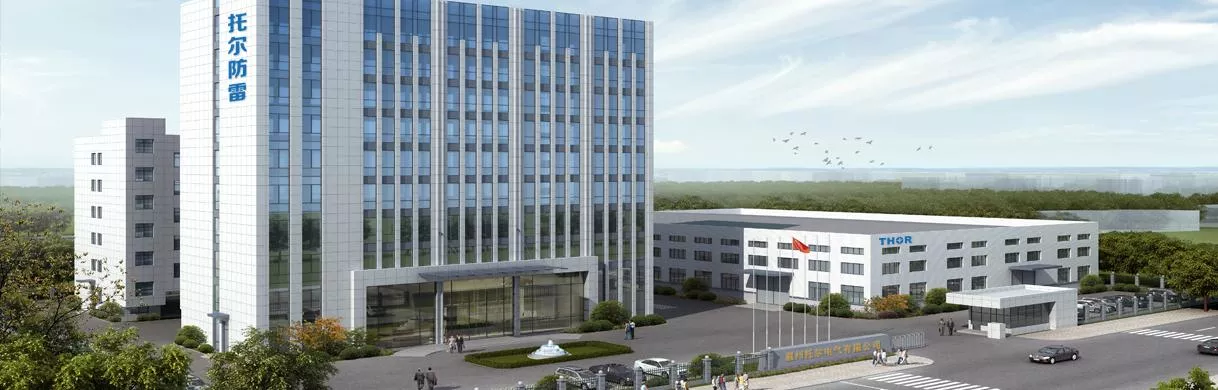
Figure 1: Thor Electric manufacturing facility exterior, Wenzhou
Building the Foundation: Certifications and Testing Capability (2006–2012)
The earliest years were about earning the right to compete internationally. In 2007, Thor obtained its first CE certificate, opening the door to European markets. Testing investment followed immediately — by 2008, the first simulated lightning test equipment was in place, capable of meeting T2 120kA surge testing requirements.
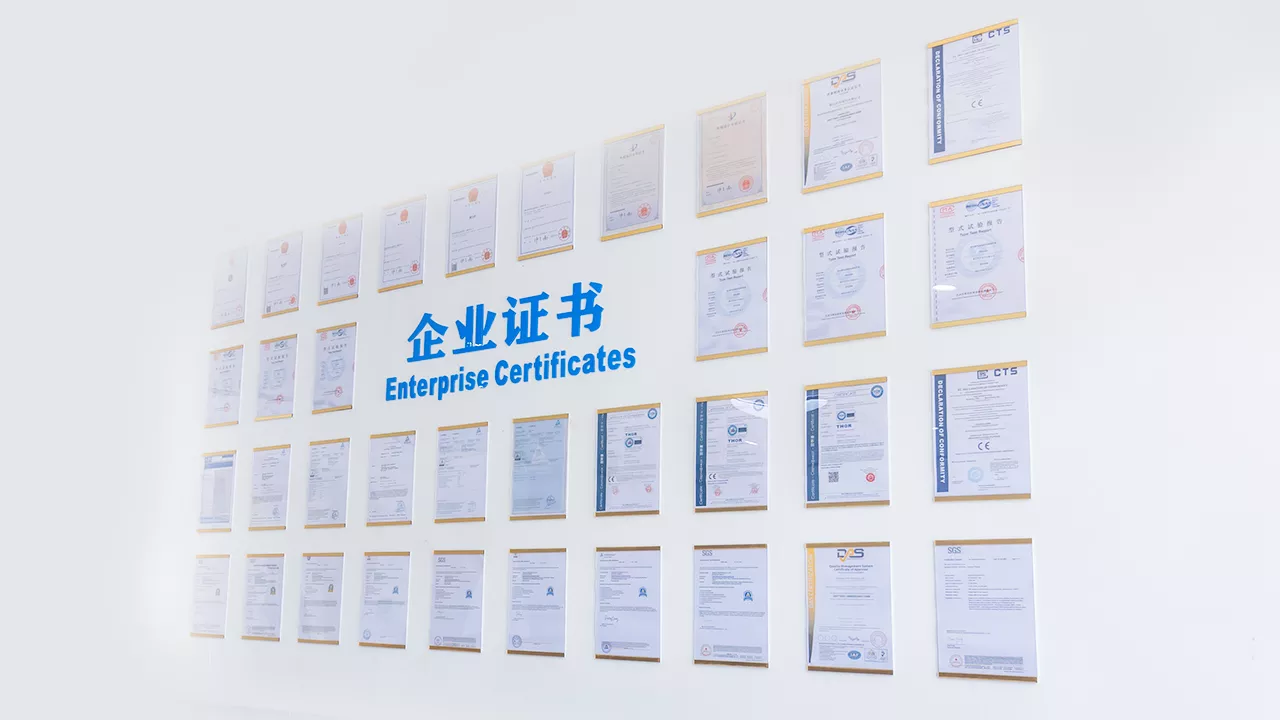
Figure 2: Thor Electric certificate collection — CE, TUV, IEC, RoHS
In 2012, TUV certification followed — an independent German third-party evaluation that European engineers use to qualify suppliers. Holding both IEC and TUV on the same product line means two separate bodies have verified the same result. That’s not a formality; it’s a quality position.
Going Global: Laboratory, Exhibitions and Expanded Testing (2017–2021)
Starting in 2017, Thor began attending international industry exhibitions — bringing products directly in front of electrical engineers and procurement teams across global markets. A year later, the company established its own in-house laboratory, consolidating R&D, testing, and quality control under one roof.
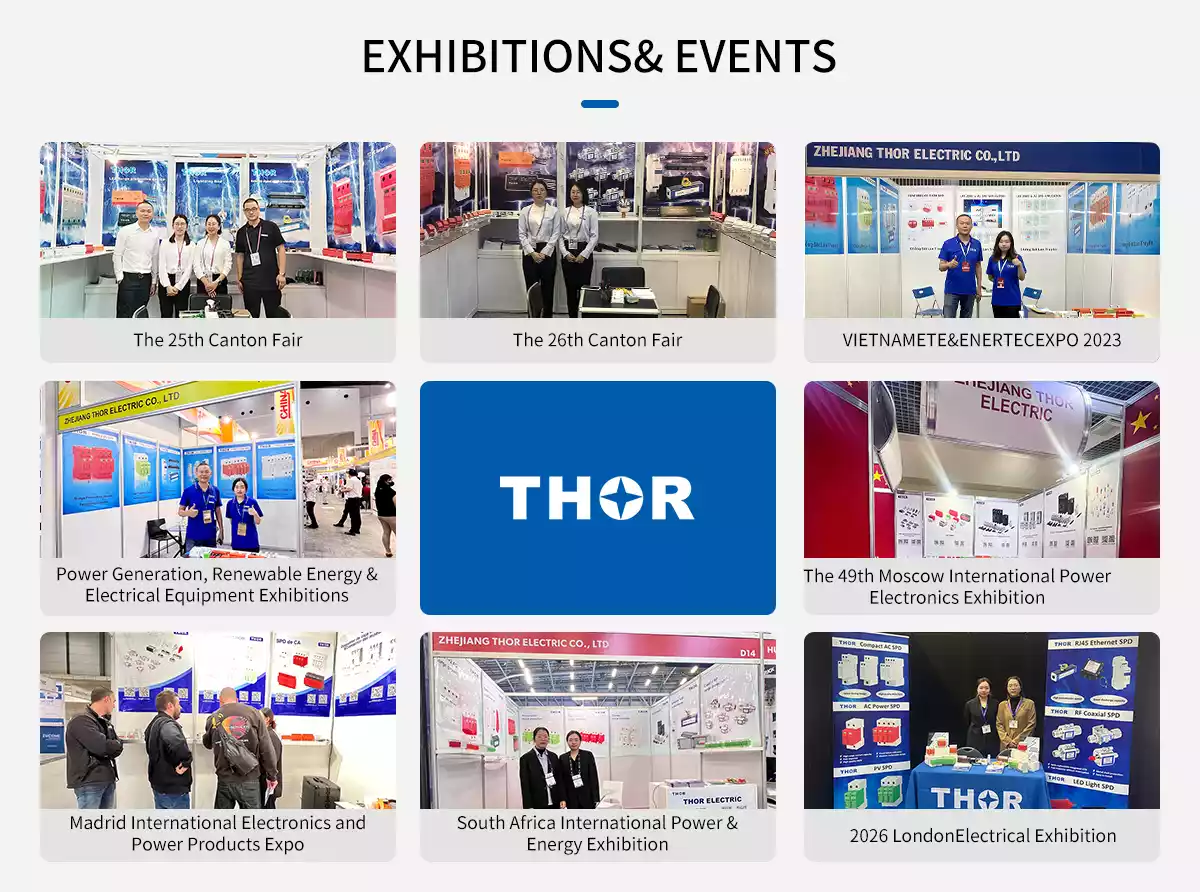
Figure 3: Thor Electric booth at international electrical industry exhibition
In 2021, a second simulated lightning test equipment was added — this time capable of meeting T1 25kA requirements. This expanded the testable product range from T2 into T1 and T1+T2 combination devices, matching the full scope of what IEC 61643-11 demands at the highest protection levels.
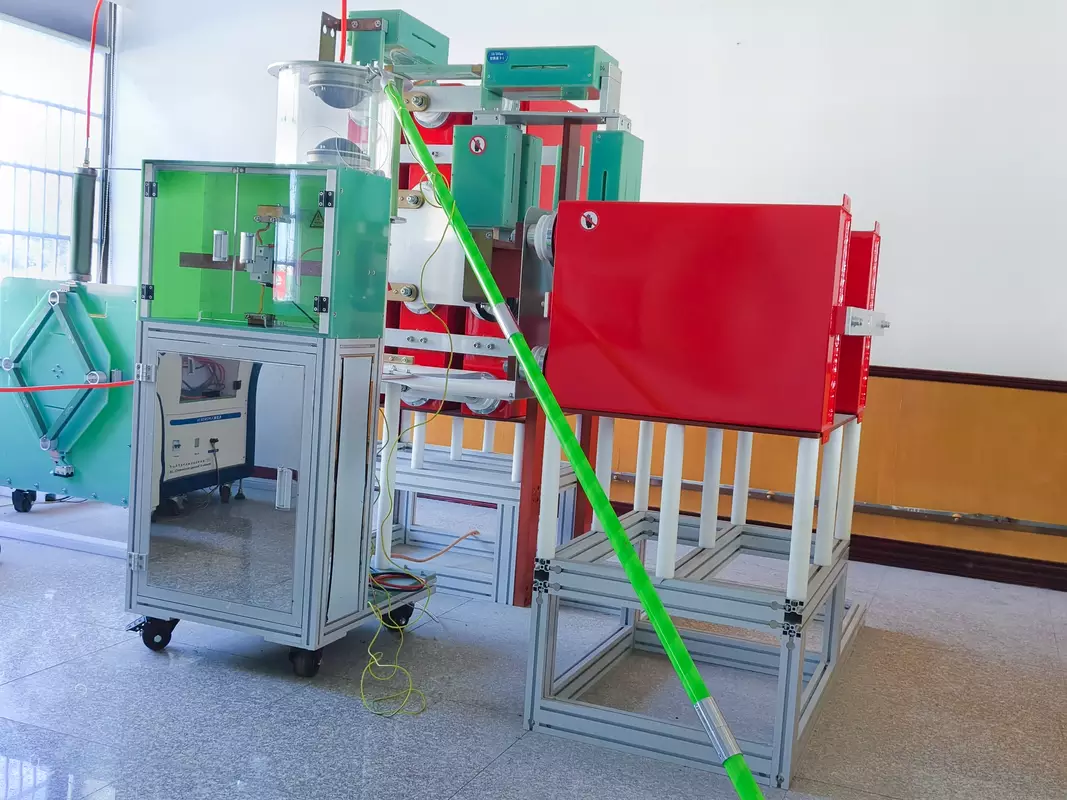
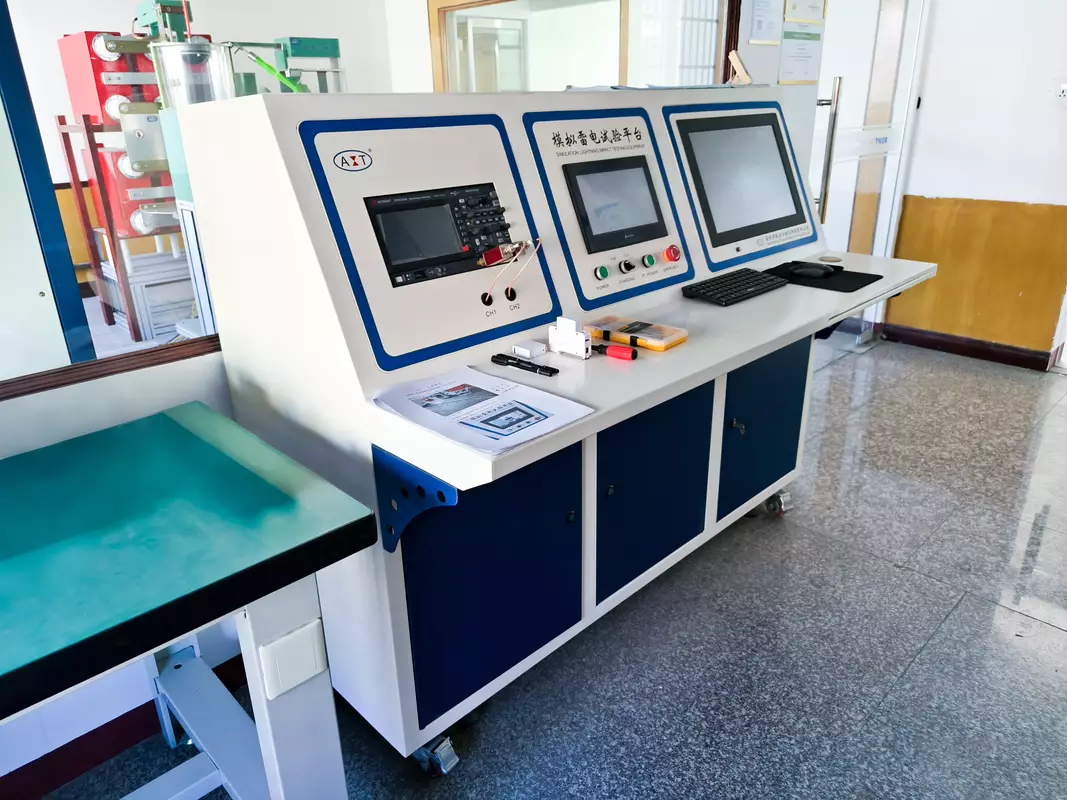
Figure 4: Thor Electric simulated lightning test equipment, T2 120kA
Smart Manufacturing: Precision at Scale
In 2022, Thor completed a full smart manufacturing upgrade across the production line. Five stages now run fully automated: precision soldering, vacuum potting, chip testing and molding, laser marking, and automatic shrink packaging.
Each stage addresses a specific failure point. Precision soldering eliminates the micro-defects that manual soldering introduces — the kind that don’t show up in initial testing but cause early failure under repeated surge events. Vacuum potting seals each module against moisture ingress and mechanical stress, which matters most in outdoor enclosures and high-humidity environments. Chip testing and molding verify every component before it’s locked in place — if it doesn’t meet spec, it doesn’t move forward. Laser marking gives each unit a permanent, machine-readable identity with full traceability through the production process. Automated shrink packaging closes the line: consistent, sealed, no handling variation.
The result is consistency at scale — not from tighter supervision on a manual line, but from removing the variable entirely.
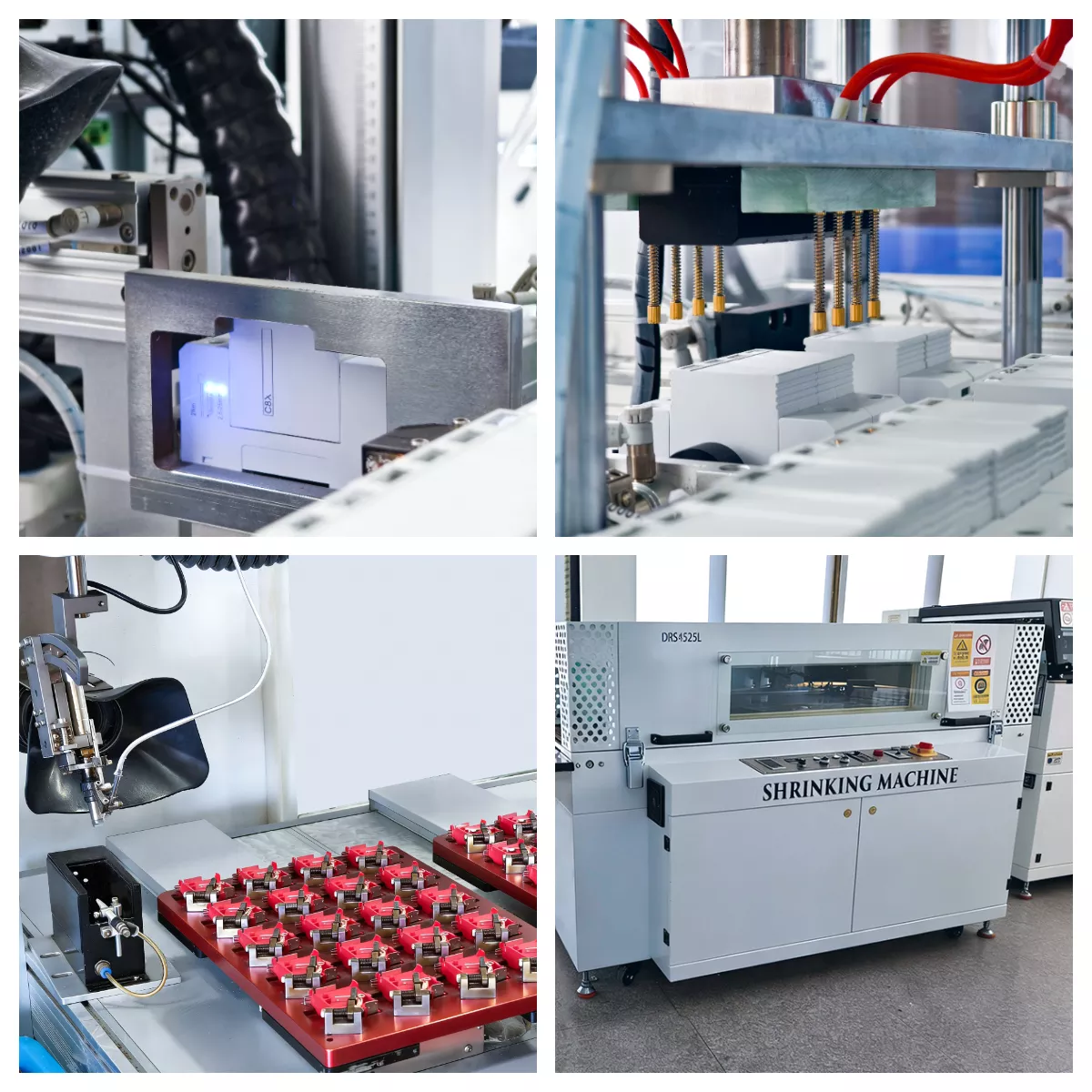
Figure 5: Thor Electric automated SPD production line — laser marking, soldering, potting, and packaging
A Full Range, Built for Real Applications
Twenty years of investment in testing and manufacturing has produced a product line that covers most surge protection scenarios an electrical engineer will encounter.
AC Surge Protection
Thor’s AC SPD range spans Type 1, Type 2, and Type 1+2 combination devices, covering nominal discharge currents from 5kA to 150kA. Type 1 models use graphite gap technology with lightning impulse current (Iimp) ratings up to 50kA, designed for installation at the main distribution board where direct lightning current exposure is possible. Type 2 MOV-based models cover the full range from sub-distribution boards down to final circuit protection, with maximum discharge currents (Imax) up to 150kA on the TRS7 and TRS9 series. Both 230V single-phase and 380V three-phase systems are covered, with selectable Uc options including 275V, 320V, and 385V to match local grid requirements.
DC and PV Surge Protection
The TRS3 series addresses DC surge protection across two distinct application areas. For solar PV systems, voltage ratings extend from 600V Ucpv on standard rooftop installations up to 1800V Ucpv for utility-scale 1500V string inverter systems. For EV charging infrastructure, energy storage systems, and DC communication networks, the same platform covers 24V through 180V operating voltages. Type 1+2 high modules are available for rooftop PV installations connected directly to a lightning protection system, where IEC 61643-31 requires lightning impulse current capability.
Signal Line Surge Protection
Network and control line protection covers the interfaces most commonly found in industrial and infrastructure installations. The TRSS-RJ45 series protects Ethernet and PoE lines up to 57V PoE operating voltage, available in single-port, DIN rail, IP68 waterproof, and 19-inch rack-mount 24-port configurations. RS485 and control signal lines are covered by the TRSS-485 series across 5V to 100V nominal voltages. Coaxial and RF antenna lines are handled by the TRSW series across BNC, N, TNC, and SMA interfaces up to 2.5GHz. DB9, DB15, and DB25 serial port protection is available through the TRSS-DB series.
Complete System Solutions
For installations requiring a packaged approach, the TRSX Lightning Box series delivers a wall-mounted enclosure with integrated Type 2 SPD protection for 380V three-phase systems, available in five discharge current ratings from 20kA to 100kA Imax. The TRSS-LED series addresses LED street lighting — a application where standard DIN rail SPDs are impractical — with an IP67-rated inline device rated for 110–277V AC systems.
Across the entire range, the pluggable module design allows field replacement without rewiring — a practical detail that reduces maintenance downtime on installed systems. All products are rated for operation from -40°C to +85°C, covering the temperature extremes found in outdoor enclosures from northern Europe to the Middle East. OEM and ODM configurations are available for customers with specific labelling or parameter requirements.
The full line carries IEC, TUV, CE, RoHS, CB and ISO certification. The same certifications. The same standards. Across every product category.
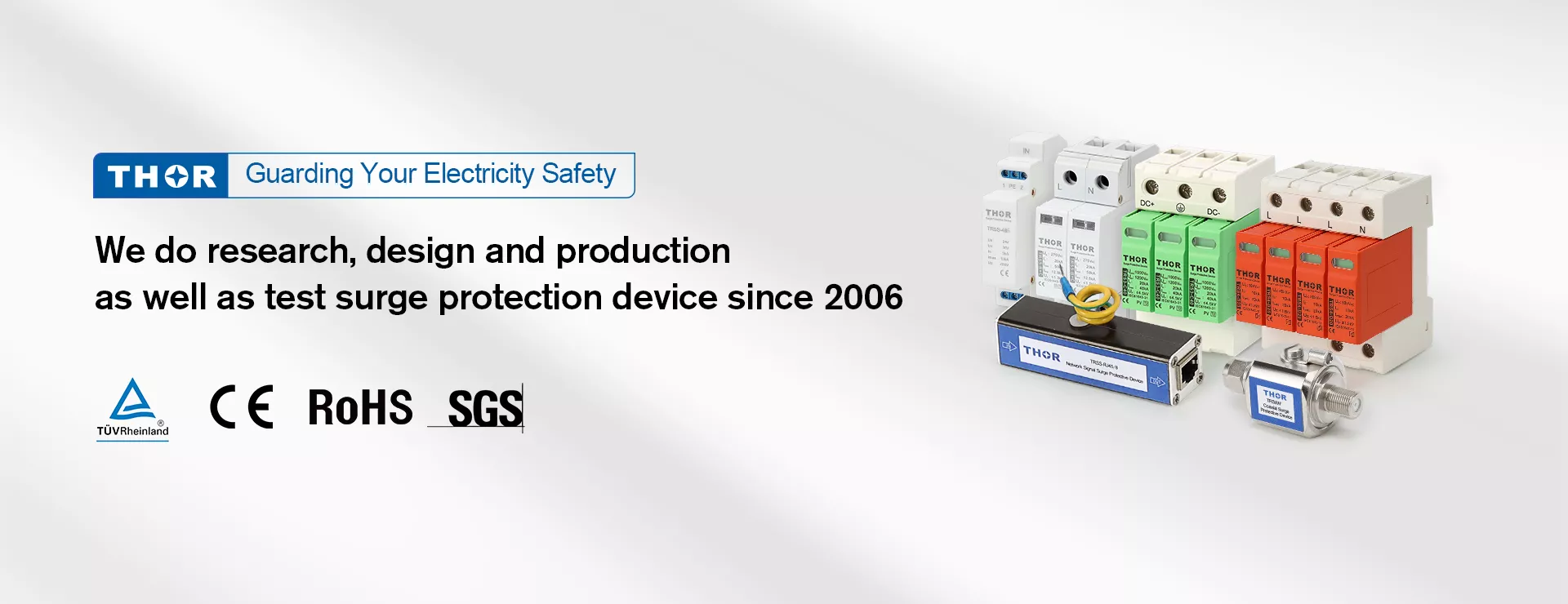
Figure 6: Thor Electric full SPD product range — AC, DC, PV, signal line and Lightning Box
Twenty Years In — and Where We’re Headed
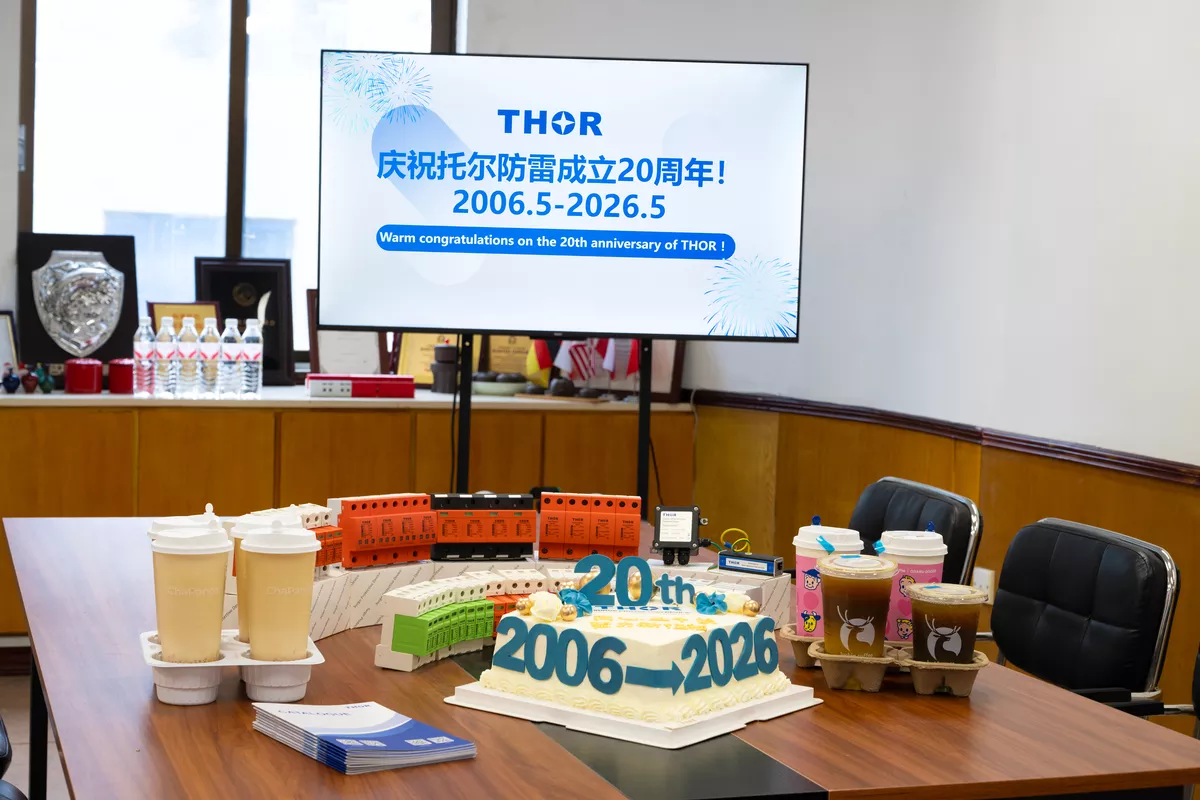
In 2026, Thor Electric turns twenty. What started as a single product in a workshop in Wenzhou is now a full surge protection portfolio reaching engineers and procurement teams in 80+ countries.
The electrical infrastructure those engineers are protecting has changed considerably over two decades — more solar, more EV charging, more sensitive industrial control systems, more exposure to switching transients and direct lightning events. The underlying physics of surge protection hasn’t changed. A well-designed SPD still needs to conduct fast, clamp hard, and recover cleanly.
The next twenty years will bring new applications, new voltage levels, and new protection requirements. We’ll build for those too.
That’s still what we build.
For inquiries or to request product samples, visit spds.global/contact-us/