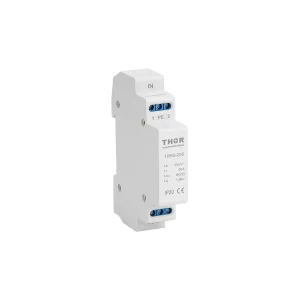
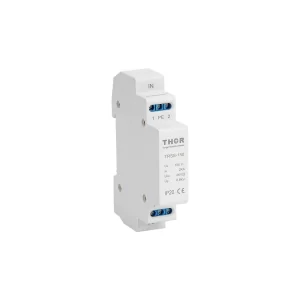
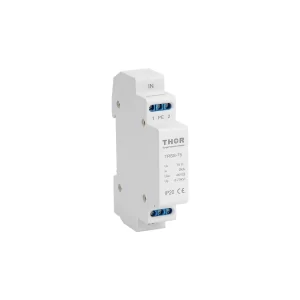
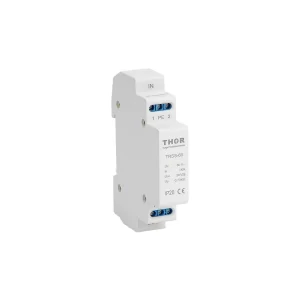
AC Surge Protection Device
Type 1, Type 2 & Type 1+2 AC SPDs — IEC 61643-11 Certified for Industrial & Commercial Power Systems
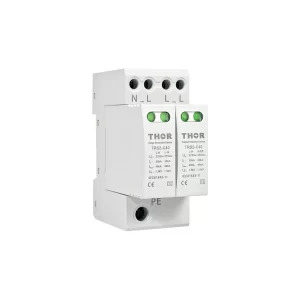
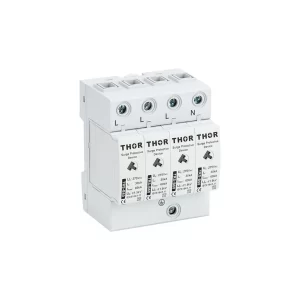
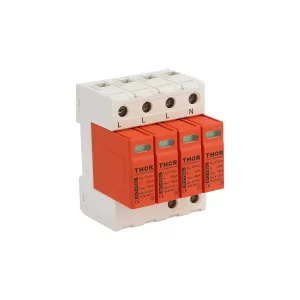
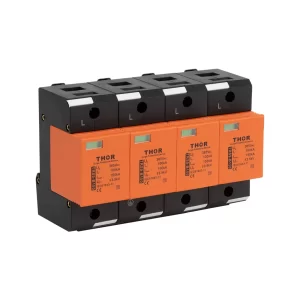
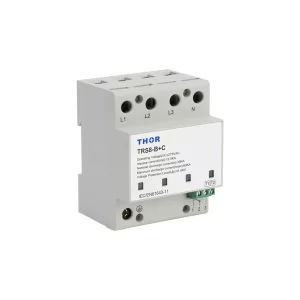
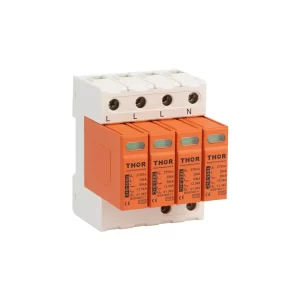
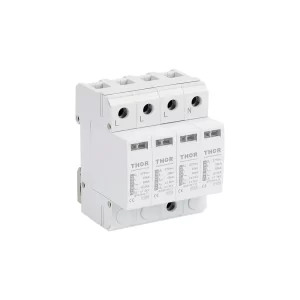
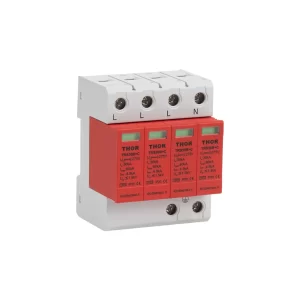
Thor SPD manufactures a complete range of AC surge protective devices (SPDs) for low-voltage power distribution systems. Our lineup covers Type 1, Type 2, and Type 1+2 (Class I & II) configurations — available in single-phase (1P+N) and three-phase (3P, 3P+N, 4P) formats, with surge discharge capacity from 15kA to 150kA (Iimp/Imax).
Our AC SPDs are designed and manufactured in accordance with IEC 61643-11 and EN 61643-11 standards. Our core product ranges carry CE, CB, TUV, and UKCA certifications, making them highly suitable for power distribution projects across Europe, the UK, and other international markets that require stringent quality verification.
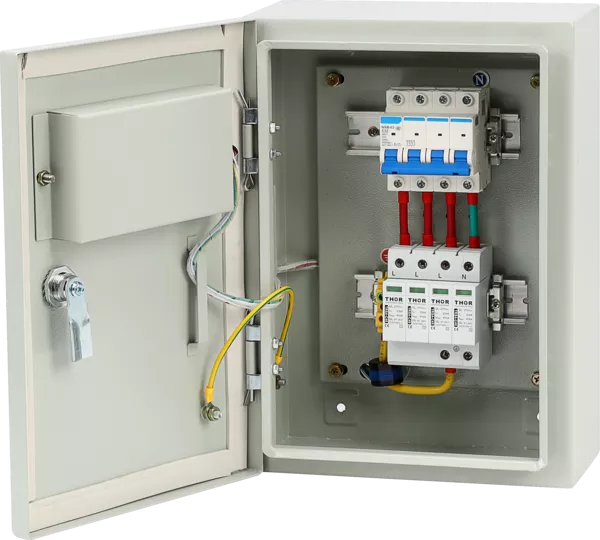
Typical applications include industrial factory distribution boards, commercial building main panels, EV charging station infrastructure, and outdoor electrical cabinets. Thor SPD also supports OEM and ODM manufacturing for global distributors and project contractors.
Type 1 AC Surge Protective Device
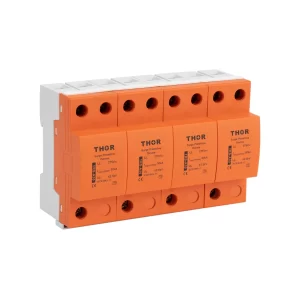
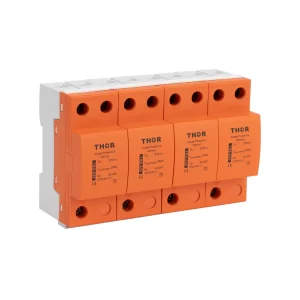
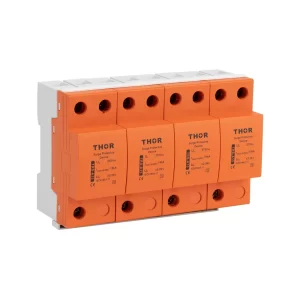
Designed for installation at building service entrances, main distribution boards, and substations, Type 1 AC SPDs safely discharge direct lightning strike currents (Iimp) into the earthing system before they can damage downstream equipment. Thor’s Type 1 AC SPDs are compatible with TN-S, TN-C-S, and TT grounding systems.All units are IEC 61643-11 certified and support 4-pole DIN-rail installation.
Additional information
| Uc | 275v, 320v, 385v, 420v |
|---|---|
| Iimp | 50kA |
Additional information
| Uc | 275v, 320v, 385v, 420v |
|---|---|
| Iimp | 25kA |
Additional information
| Uc | 275v, 320v, 385v, 420v |
|---|---|
| Iimp | 15kA |
Type 2 AC Surge Protective Device
Type 2 AC SPDs are installed in sub-distribution boards and electrical cabinets to suppress induced surge currents caused by nearby lightning strikes and switching transients. Suitable for industrial factories, commercial buildings, and EV charging infrastructure, Thor’s Type 2 range offers In ratings from 20kA to 100kA and Imax up to 150kA, available in 1P+N, 3P, and 4P configurations for both single-phase and three-phase power systems.
Additional information
| Uc | 255v, 275v |
|---|---|
| In | 20kA |
| Imax | 40kA |
Additional information
| Uc | 275v, 320v, 385v, 420v |
|---|---|
| In | 30kA |
| Imax | 60kA |
Additional information
| Uc | 275v, 320v, 385v, 420v |
|---|---|
| In | 20kA |
| Imax | 40kA |
Additional information
| Uc | 275v, 320v, 385v, 420v |
|---|---|
| In | 100kA |
| Imax | 150kA |
Type 1+2 AC Surge Protection Device
Type 1+2 combined SPDs deliver both Class I and Class II protection in a single DIN-rail device, making them the preferred choice for installations where space is limited or a two-stage protection scheme is required in one enclosure. Thor’s Type 1+2 AC range meets IEC 61643-11 requirements for both direct lightning current discharge and induced surge suppression, covering Uc ratings from 275V to 420V for TN-S and TT systems. Ideal for industrial control panels, outdoor distribution cabinets, and solar PV balance-of-system enclosures.
Additional information
| In | 30kA |
|---|---|
| Imax | 60kA |
| Iimp | 12.5kA |
Additional information
| Uc | 275v |
|---|---|
| In | 20kA |
| Imax | 50kA |
| Iimp | 12.5kA, 7kA |
Additional information
| Uc | 275v |
|---|---|
| In | 20kA |
| Imax | 50kA |
| Iimp | 12.5kA |
Additional information
| Uc | 275v |
|---|---|
| In | 30kA |
| Imax | 60kA |
| Iimp | 4.5kA |
Your questions answered
AC Surge Protection Device FAQs
What is an AC surge protection device (SPD)?
An AC surge protection device (SPD) is an electrical component installed in low-voltage power systems to limit transient overvoltages caused by lightning strikes or switching operations. It detects voltage spikes above the normal operating level and diverts the excess current safely to earth, preventing damage to connected equipment. AC SPDs are classified under IEC 61643-11 into Type 1, Type 2, and Type 1+2, each suited for a different installation point in the power distribution network.
How does an AC surge protector work?
During normal operation, an AC SPD remains in a high-impedance state and does not interfere with the power supply. When a transient overvoltage occurs — from a lightning strike or switching event — the SPD’s internal Metal Oxide Varistor (MOV) switches to a low-impedance state in under one microsecond, diverting the surge current to the earthing system. Once the surge has passed, the device returns to its standby state. A status window on the front of the unit indicates whether the SPD is functioning correctly (green) or requires replacement.
What is the difference between Type 1 and Type 2 AC SPD?
Type 1 SPDs (Class I) are designed to handle direct lightning strike currents, measured as Iimp (impulse current). They are installed at the main service entrance of a building — between the utility supply and the main distribution board. Type 2 SPDs (Class II) protect against induced surge currents, measured as In (nominal discharge current), and are installed inside distribution boards and sub-panels. Type 1+2 combined units provide both functions in a single DIN-rail device, which is preferred when installation space is limited.
Where should an AC SPD be installed?
AC SPDs are installed at three main points in a low-voltage electrical system. Type 1 at the building service entrance or main switchboard — the first line of defence against direct lightning currents. Type 2 at sub-distribution boards and electrical cabinets — protecting downstream circuits from induced surges. Type 3 at the point of use, directly upstream of sensitive equipment such as PLCs, inverters, or precision instruments. For most industrial and commercial installations, a coordinated Type 1 + Type 2 scheme is required under IEC 60364-5-53.
How do I choose the right AC surge protection device?
Start with four parameters. First, Uc (maximum continuous operating voltage) — select a value at least 10% above your system’s nominal voltage, typically 275V or 320V for 230V systems and 385V or 420V for 400V three-phase systems. Second, Type — choose Type 1 for service entrances, Type 2 for distribution boards. Third, In/Iimp rating — match the discharge capacity to your lightning risk assessment per IEC 62305. Fourth, earthing system — confirm compatibility with your site’s TN-S, TN-C-S, or TT configuration. When in doubt, contact our technical team with your single-line diagram for a recommendation.