
Wire an SPD wrong and you don’t just lose protection — you can fail certification compliance and leave equipment exposed to the exact events the device was installed to stop. This guide covers SPD wiring diagrams for single-phase, three-phase, Type 1, and DC/solar systems, plus the IEC installation requirements that separate a working installation from one that looks right on paper.
What Does an SPD Wiring Diagram Show?
A wiring diagram defines two things: which conductors the SPD bridges, and where it sits relative to the upstream overcurrent protective device (OCPD). For AC systems, that means specifying the protection mode — L-PE, N-PE, or L-N — based on the earthing system. For DC and PV systems, it shows the positive, negative, and PE connections, plus whether the installation uses a U or Y connection type.
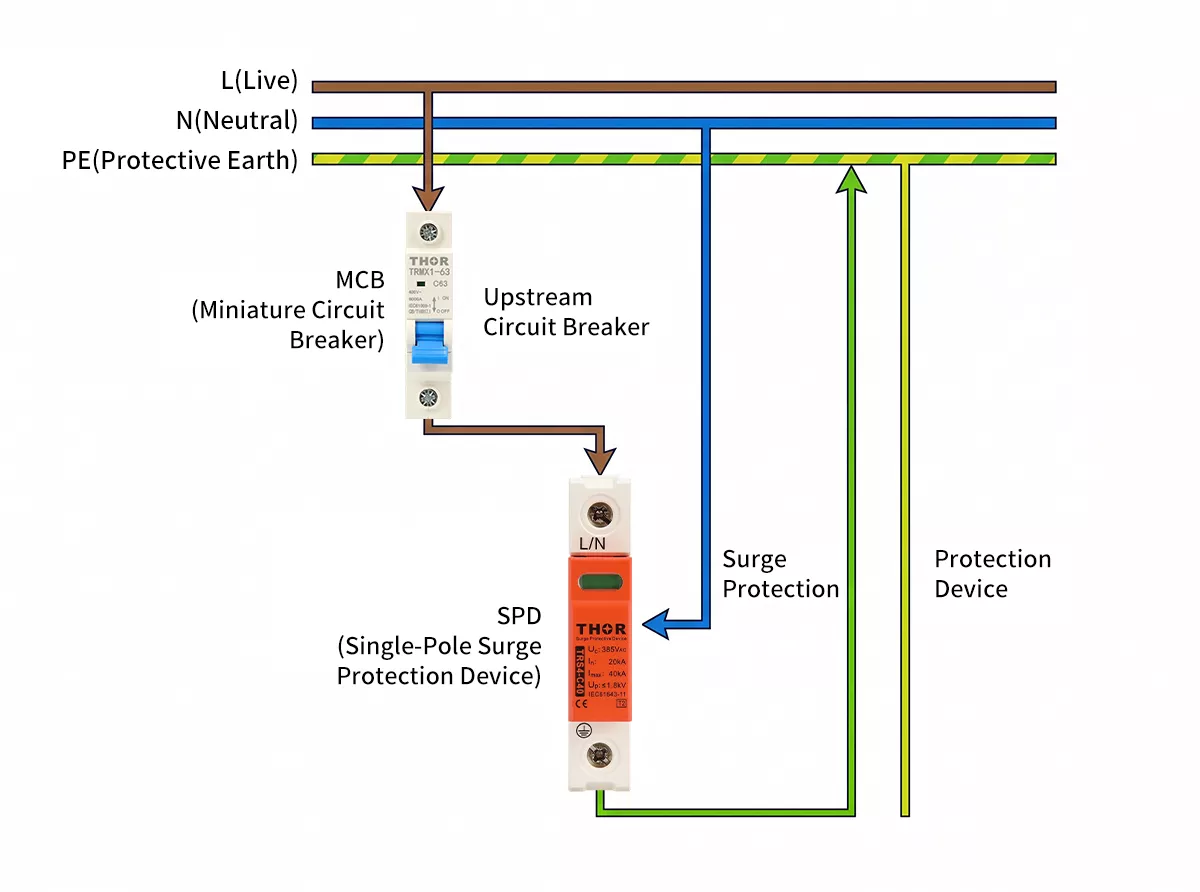
Figure 1: SPD wiring diagram overview showing L, N, PE connections and OCPD placement in a distribution board
The same SPD wired in the wrong mode will either fail to clamp a surge or conduct continuously and trip the OCPD. Neither outcome is useful.
For AC systems, the diagram also indicates the protection mode: L-PE, N-PE, or L-N, depending on the earthing system and SPD configuration. For DC and PV systems, it shows the positive, negative, and PE connections along with the connection type — U or Y — which determines the voltage rating required.
Reading the diagram correctly matters.
Single-Phase SPD Wiring Diagram
Single-phase systems use three conductors: live (L), neutral (N), and protective earth (PE). How the SPD connects across these three determines the protection mode — and the right choice depends on the earthing system in place.
Three connection modes cover most single-phase installations:
2+0 (L-PE and N-PE) is the standard configuration for TN-S systems. The SPD connects both L and N to PE, protecting against surges on either conductor. 2+0 is the most common mode for industrial and commercial single-phase installations in Europe.
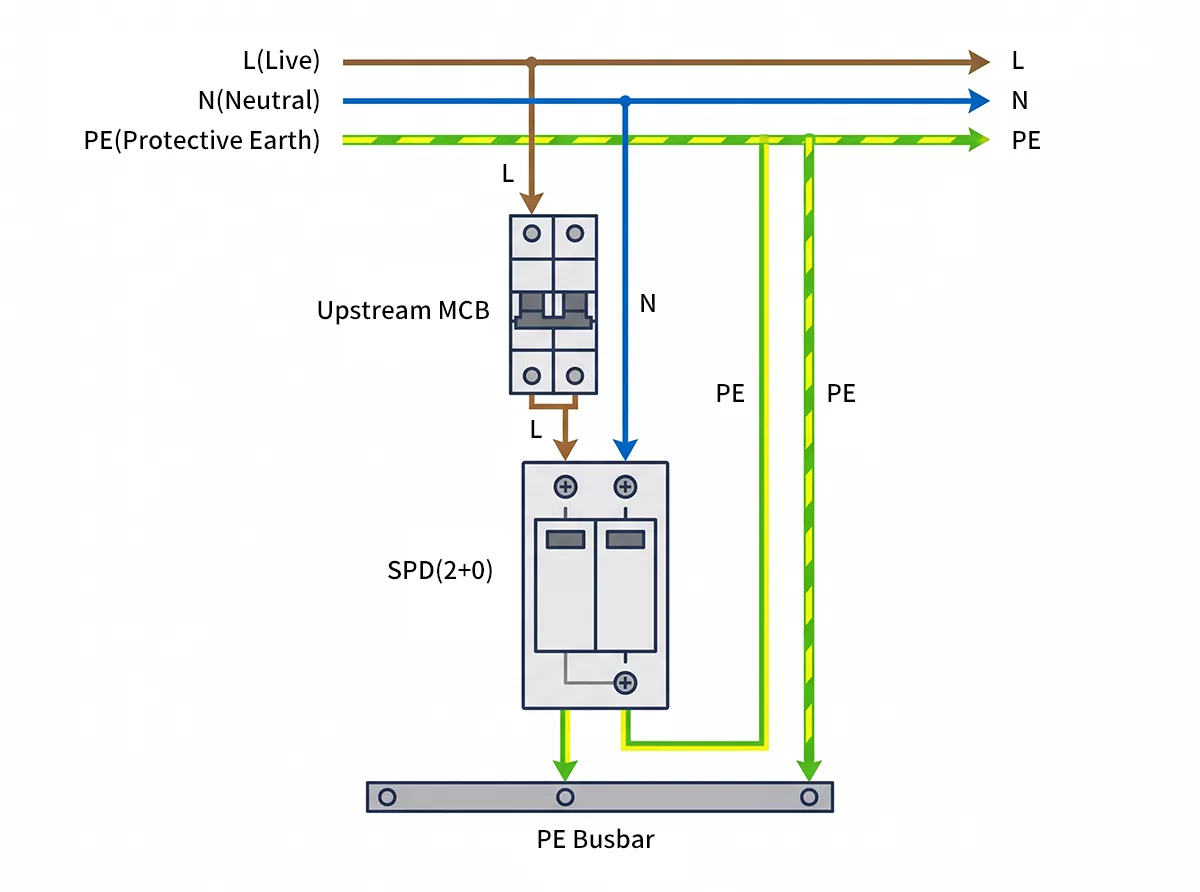
Figure 2: Single-phase SPD wiring diagram showing 2+0 configuration in TN-S system, with L, N, PE connections and upstream MCB
1+1 (L-N and N-PE) suits TT systems where no direct N-PE bond exists at the distribution board. The SPD bridges L to N on one path and N to PE on another, maintaining protection without creating an unwanted earth reference.
1+0 (L-PE only) applies to IT systems or specific single-phase circuits where neutral is not present at the protection point.
For most single-phase installations in TN-S networks, 2+0 is the default. If you’re unsure which earthing system you’re working with, the TN-C-S earthing system article covers the distinctions in detail.
For single-phase T2 protection, we recommend our AC Surge Protection Devices. The TRS4-C40 (In 20kA, Imax 40kA) covers standard commercial and light industrial loads. Higher-exposure installations — rooftop equipment, outdoor distribution points — step up to the TRS-B60 (In 30kA, Imax 60kA).
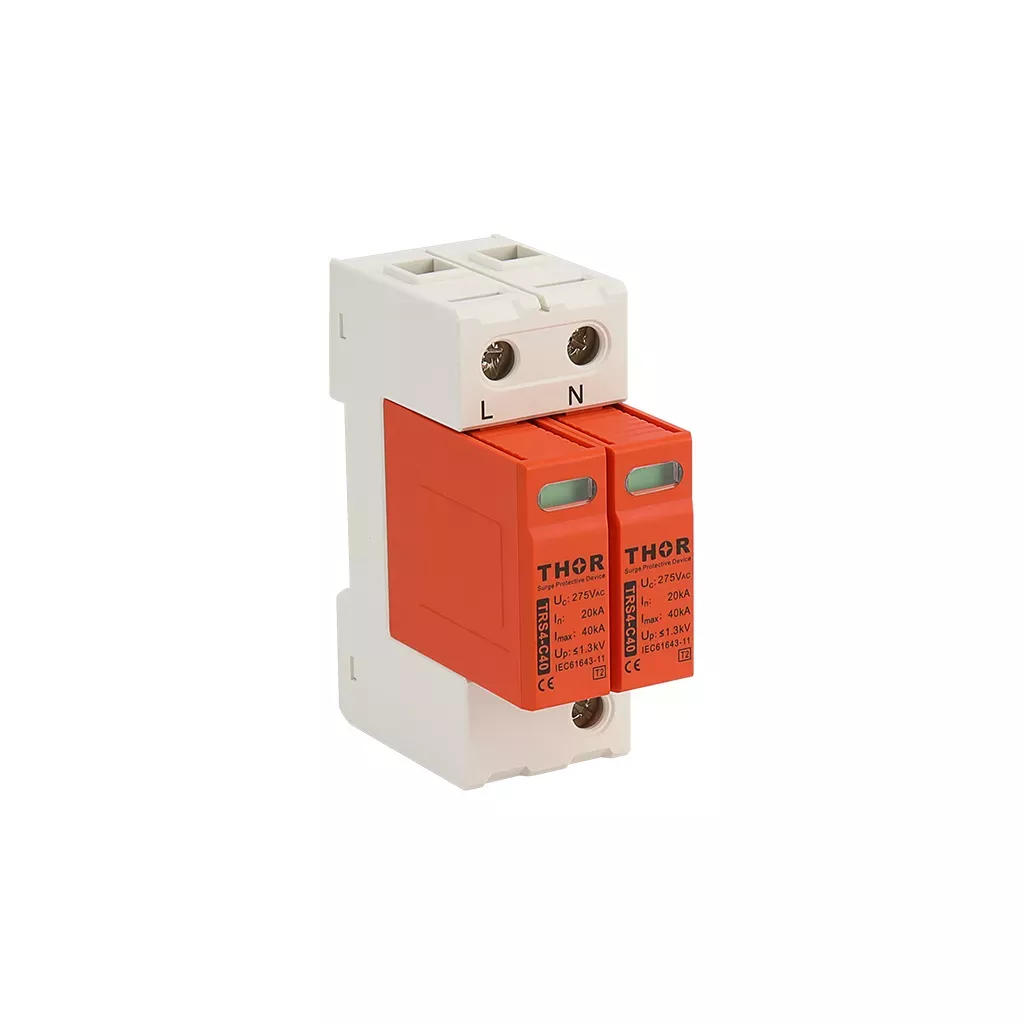
Figure 3: Thor TRS4-C40 single-phase Type 2 SPD product photo
Three-Phase SPD Wiring Diagram
Three-phase systems add L1, L2, and L3 to the picture. The SPD has to protect all three phases simultaneously, which is where the choice between 4+0 and 3+1 becomes critical.
4+0 (L1-PE, L2-PE, L3-PE, N-PE) connects all four conductors directly to PE. Every conductor gets its own protection path. 4+0 is the standard configuration for TN-S systems and most industrial three-phase installations where a separate PE conductor runs throughout.
3+1 (L1-N, L2-N, L3-N, and N-PE) protects the three phases relative to neutral, with a separate N-PE path. The right choice for TT systems where the neutral-earth relationship at the board differs from TN-S. It also applies in installations where the neutral is bonded at a different point in the system.
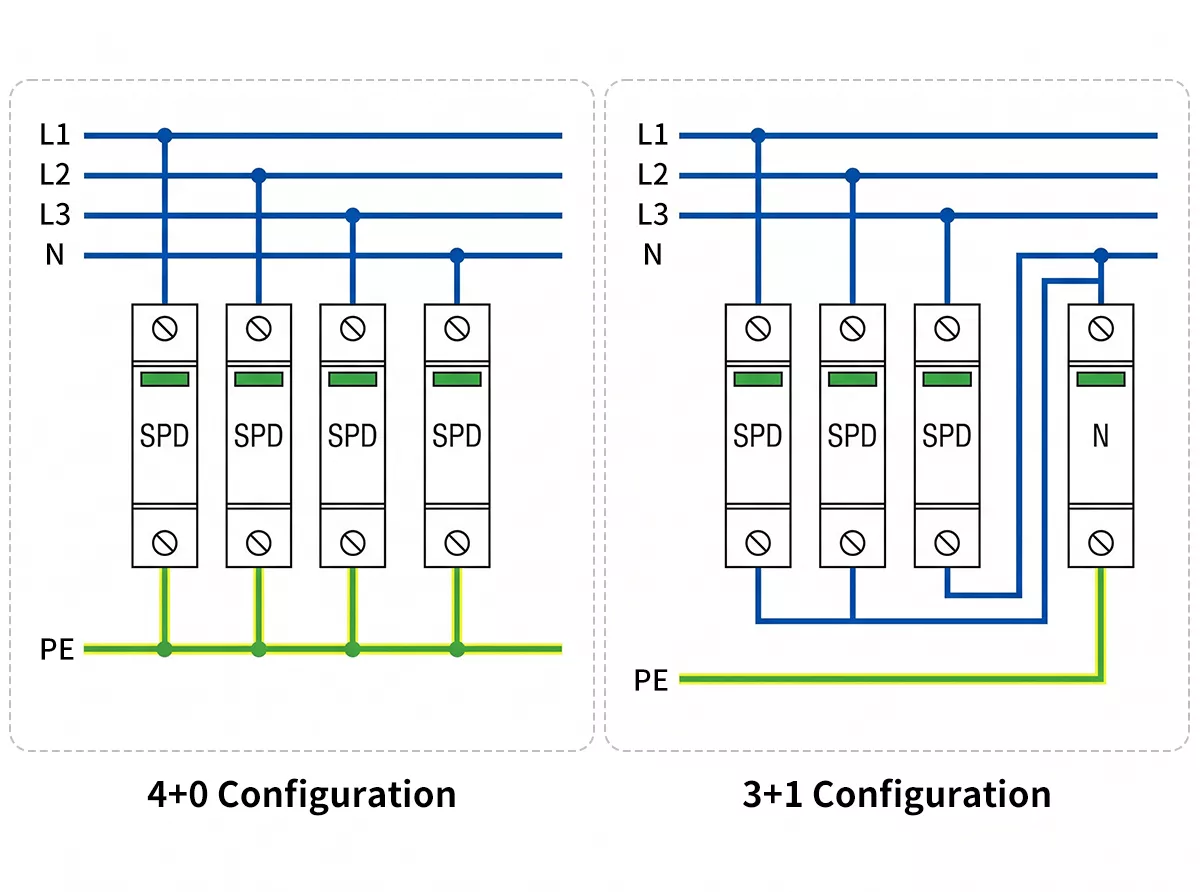
Figure 4: Three-phase SPD wiring diagram comparing 4+0 and 3+1 configurations side by side
Getting this wrong matters. In a TT system the SPD usually sits ahead of the main RCD. If a line-to-PE MOV in a 4+0 device fails short, the fault current has to return through the earth electrode, which may be too small to trip the backup protection, and no RCD sits upstream to catch it. 3+1 puts the MOVs between line and neutral, so the same failure becomes a line-to-neutral fault the backup protection clears.
For three-phase T2 protection, our AC Surge Protection Devices such as the TRS7-B80 (In 40kA, Imax 80kA, Un 380V AC) handles standard industrial distribution boards. Sites with higher exposure — main incomer positions, rooftop plant rooms, substations — move to TRS7-B100 or B120.
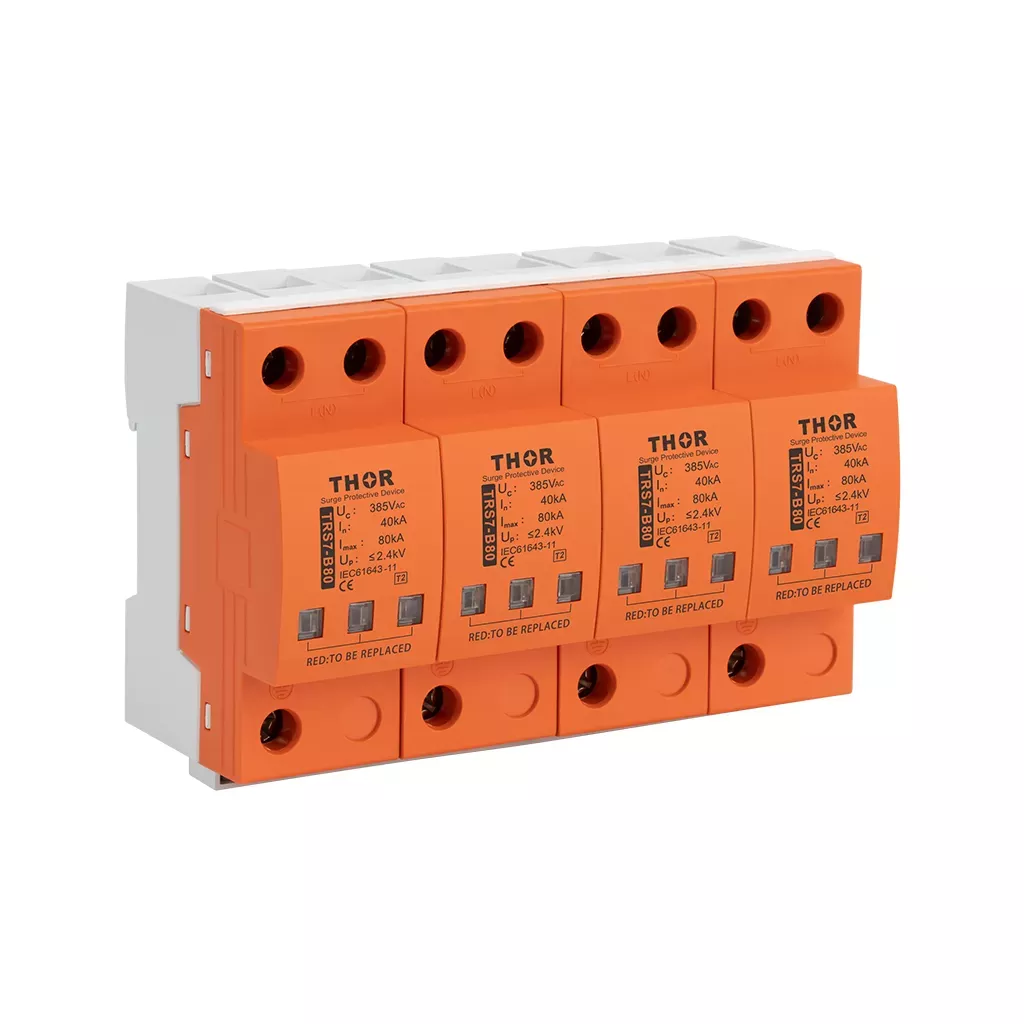
Figure 5: Thor TRS7-B80 three-phase Type 2 SPD installed on DIN rail in distribution board
Type 1 SPD Wiring Diagram
Type 1 SPDs go at the main distribution board — the first point of entry for the incoming supply, before any sub-distribution. The reason is simple: when lightning strikes a building or nearby infrastructure, the resulting impulse current (10/350µs waveform) is too large for a Type 2 device to handle. Only a Type 1 is rated for Iimp, the lightning impulse current parameter.
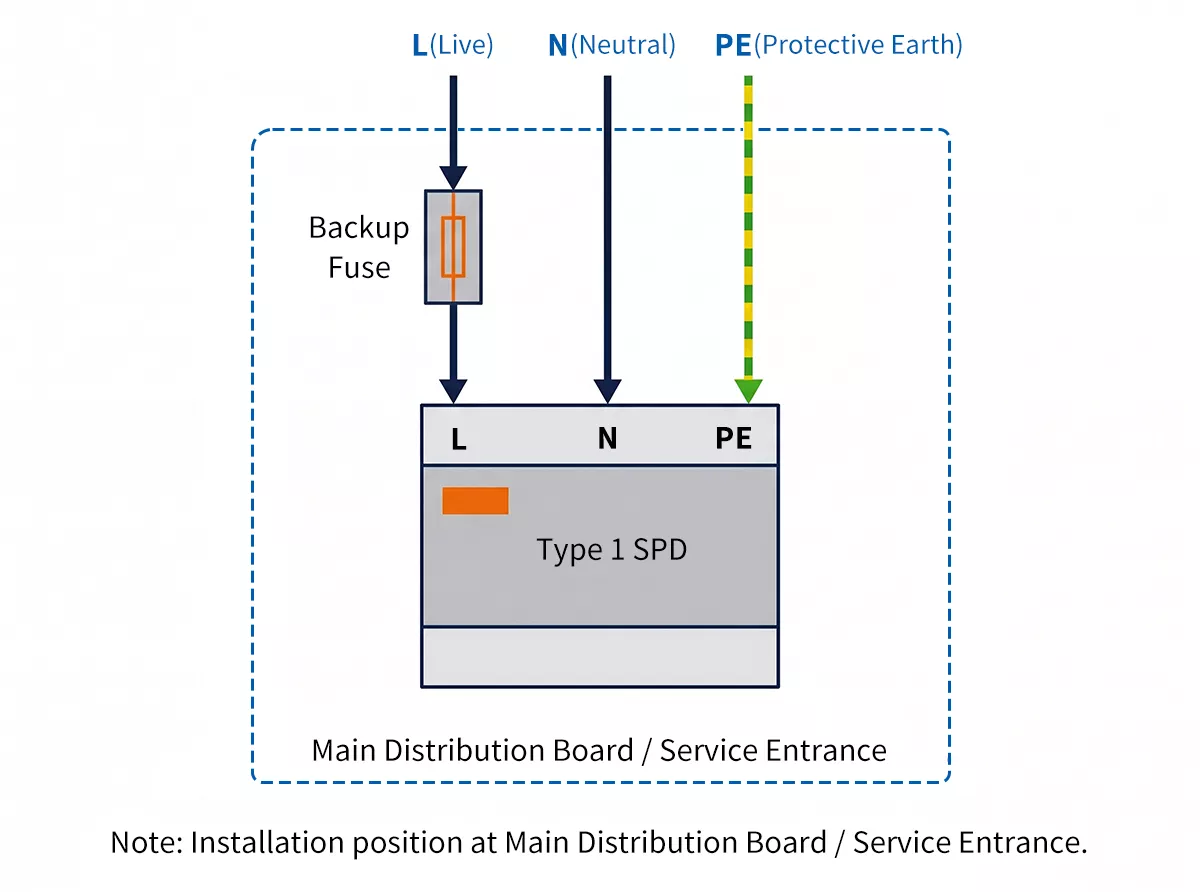
Figure 6: Type 1 SPD wiring diagram showing single-phase and three-phase connections at main distribution board
Physically, the wiring looks similar to Type 2. The SPD still connects between the supply conductors and PE. What changes is the upstream OCPD rating — Type 1 devices carry higher surge currents, so the backup fuse or circuit breaker needs to be sized accordingly, typically 25A or higher depending on the SPD datasheet.
For single-phase Type 1 SPD installations, the TRS-A series uses graphite gap technology rather than MOV. Graphite gap handles the 10/350µs impulse waveform without degrading the way MOV-based devices do under repeated direct lightning exposure. The TRS-A25 (Iimp 25kA) covers most commercial buildings; the TRS-A50 (Iimp 50kA) applies to substations and high-exposure industrial sites.

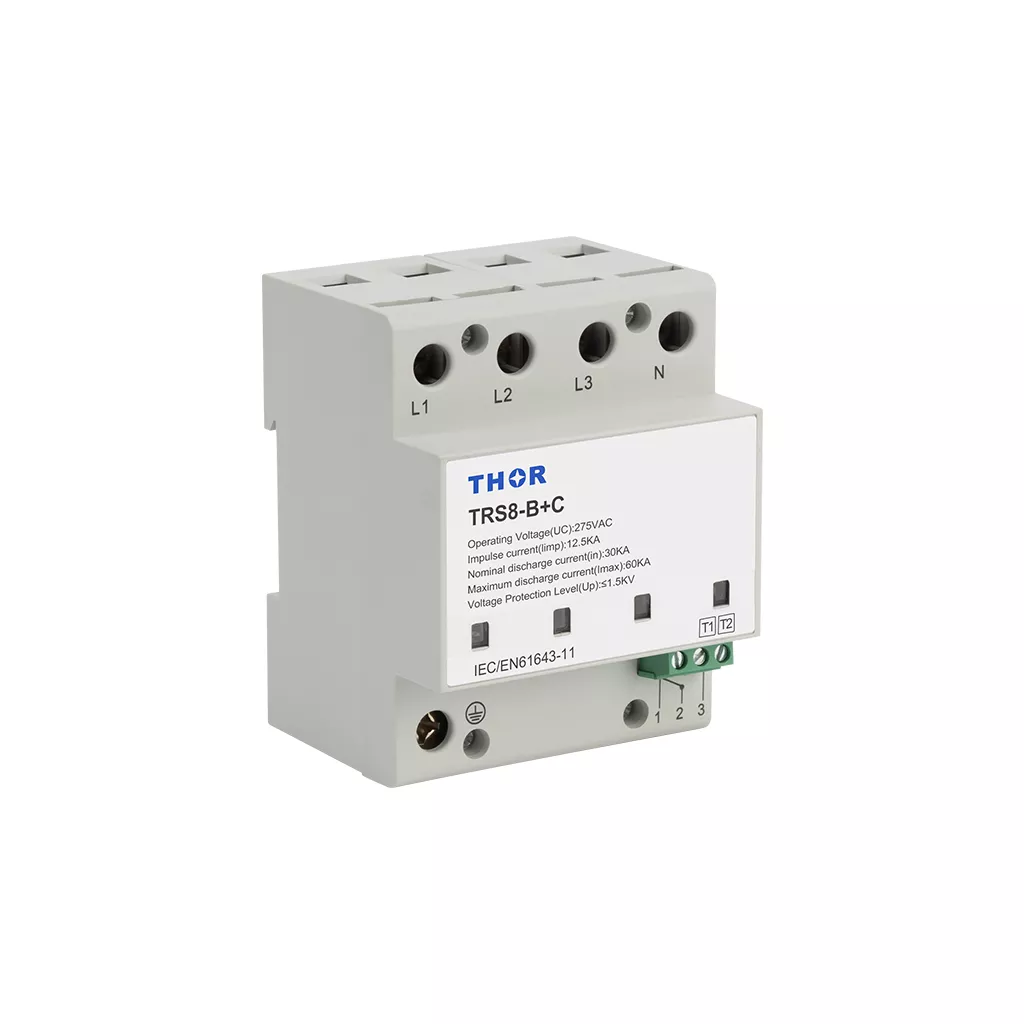
Figure 7: Thor TRS-A25 Type 1 SPD and TRS8-B+C Type 1+2 combination SPD product photo
Where a Type 1+2 combination is needed — common in buildings where the separation distance between the service entrance and first distribution point is short — the TRS8-B+C combines MOV and GDT technology in a single device. Iimp 12.5kA, In 30kA, Imax 60kA. One device, two protection levels, one DIN rail slot.
DC and Solar SPD Wiring Diagram
DC systems don’t alternate. Current flows in one direction only, which changes how an SPD clamps and interrupts a surge — and why DC-rated devices are not interchangeable with AC ones.
For PV Surge Protection Device (SPD) installations, two connection types cover the voltage range from small rooftop arrays to utility-scale installations.
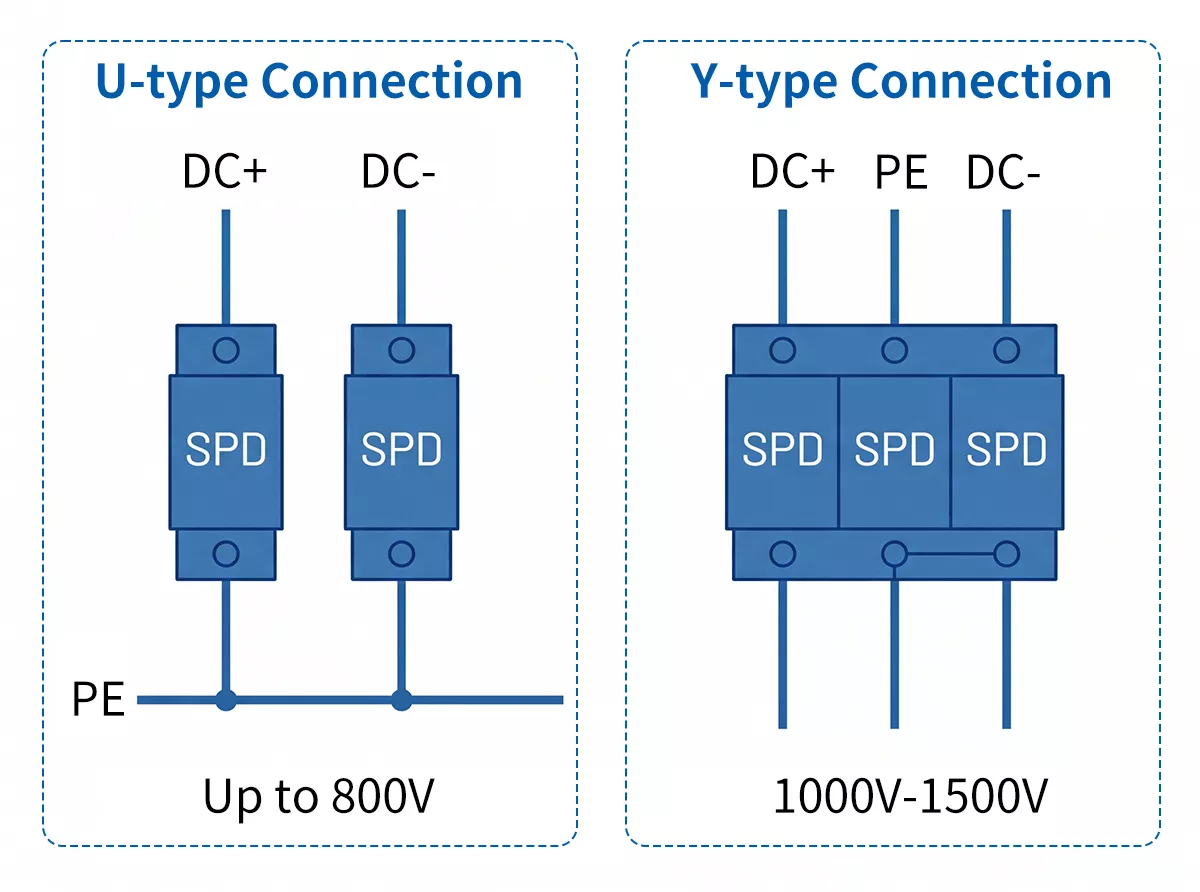
Figure 8: DC and solar SPD wiring diagram showing U-type and Y-type connections for PV systems
U-type connection (DC+ and DC- to PE) is the standard for systems up to 800V Uocstc. Both the positive and negative rails connect to PE through separate MOV paths. Simple to wire, and suits most commercial and industrial rooftop PV installations.
Y-type connection (DC+, PE, DC-) handles high-voltage strings from 1000V to 1500V Uocstc. The PE terminal sits between the positive and negative connections, splitting the voltage across two MOV paths. That split keeps each MOV within its rated voltage while the system operates at string voltages that would exceed a single U-type device.
The TRS3-C40 covers both connection types across the full voltage range:
| Connection | Uocstc | Ucpv | Up |
| U | 500–800V DC | up to 960V DC | ≤3.0kV |
| Y | 1000–1500V DC | up to 1800V DC | ≤6.0kV |
For rooftop PV systems connected directly to a lightning protection system — where IEC 61643-31 requires Type 1+2 capability — the TRS3 High Modules add Iimp ratings of 7kA (1000V) and 5kA (1250V/1500V).
EV charging infrastructure and battery storage systems running on low-voltage DC networks use the same TRS3 platform, available from 24V to 110V nominal with Imax 40kA across all voltage ratings.
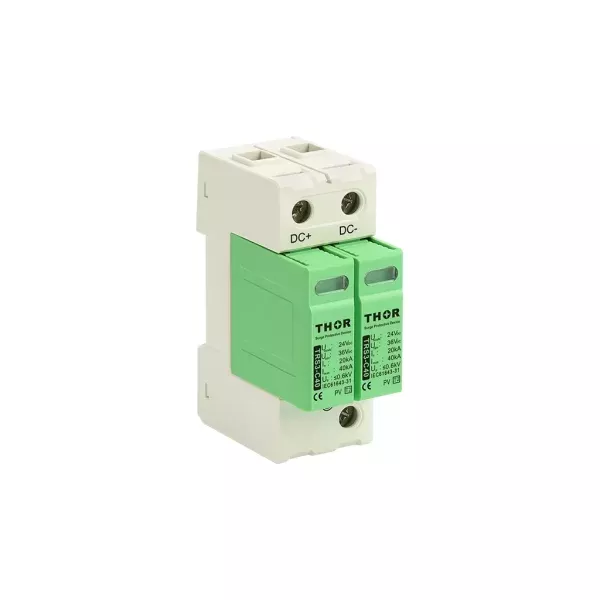
Figure 9: Thor TRS3-C40 PV SPD product photo, green housing, DIN rail mount
How Earthing Systems Affect SPD Wiring
The earthing system in a building determines how neutral and earth relate to each other — and that relationship directly affects which SPD connection mode works and which one causes problems.
Three systems cover most installations globally.
TN-S runs separate N and PE conductors throughout the installation. N and PE are only bonded at the source. At any distribution board downstream, N and PE are distinct. The SPD connects in 4+0 or 2+0 mode — all conductors to PE — because the N-PE voltage under normal conditions is close to zero. No unwanted conduction.
TT has a local earth electrode at the installation, independent from the supply neutral. Upstream of the main RCD, a line-to-PE failure in the SPD may not draw enough current through the earth electrode to trip the backup protection. The correct mode is 3+1: MOVs from phase to neutral, and a spark gap or GDT from neutral to PE.
IT has no direct connection between the supply and earth at all. Used in hospitals, offshore platforms, and some industrial processes where continuity of supply matters more than immediate fault disconnection. SPDs in IT systems connect in 3+0 or 1+0 mode — phases to PE only, no neutral path — because there is no stable neutral reference.
Getting the earthing system wrong at the SPD selection stage is one of the most common installation errors. A correctly rated SPD in the wrong mode will either fail prematurely or provide no protection at all. If the earthing system on site isn’t documented, confirm it from the supply arrangement and whether the installation has its own earth electrode before selecting the connection mode.
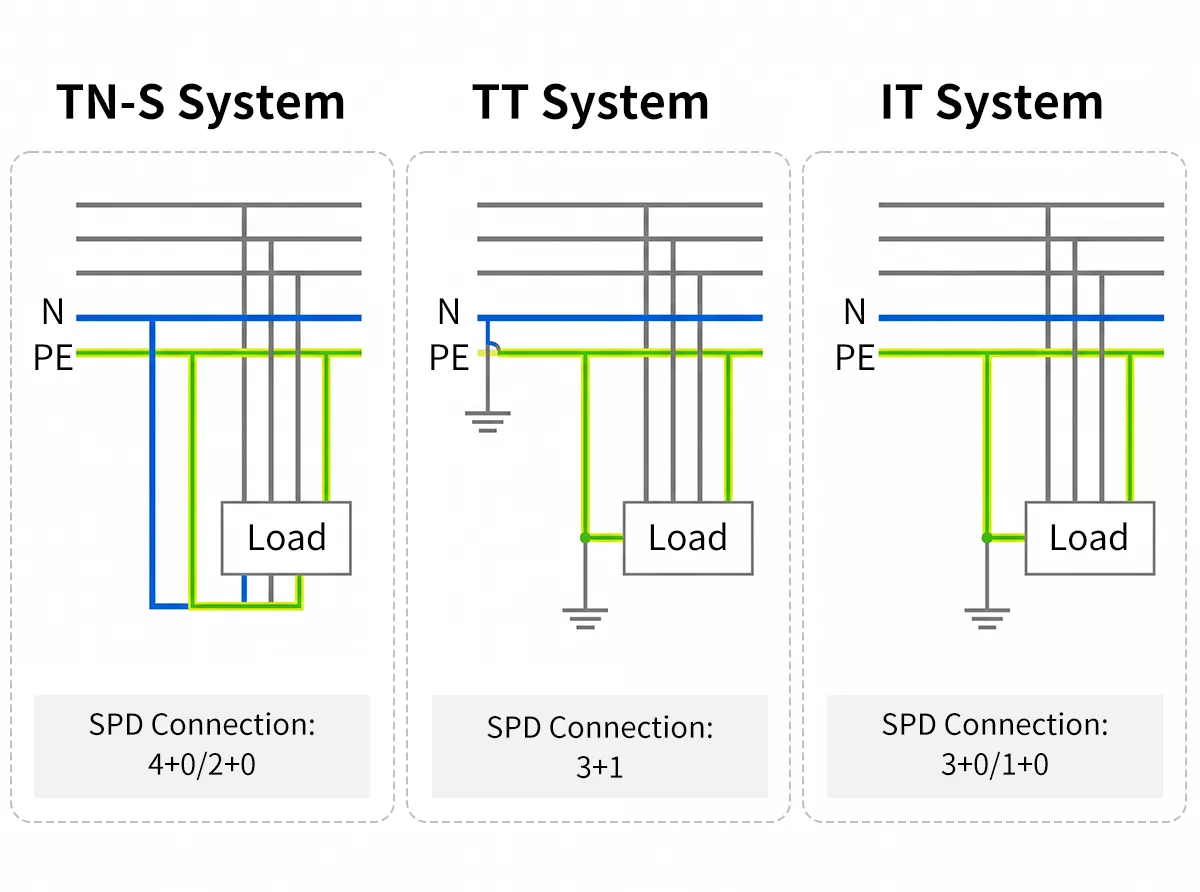
Figure 10: Comparison diagram showing TN-S, TT and IT earthing systems and corresponding SPD connection modes
For a detailed breakdown of how TN-C-S systems work and where the N-PE bond occurs, see the TN-C-S earthing system guide.
SPD Wiring Requirements: What IEC Says
Getting the SPD into the board is only half the job. How the connecting cables are run determines whether the device performs to its rated parameters — or falls short when a surge actually hits.
The 50cm Rule
IEC 60364-5-53, the installation standard, limits the total length of the SPD connecting leads (from the line-side tap to the SPD, plus from the SPD to the earth bar) to preferably 0.5 m and never more than 1 m. The reason is inductance. Each metre of lead adds roughly 1 µH, and with surge current rising at 1 kA/µs that is about 1 kV per metre, added on top of the SPD’s own protection level. The equipment downstream sees both.
In practice: measure the cable run from the OCPD to the SPD input terminal, then from the SPD earth terminal to the busbar. If the total exceeds 0.5 m, shorten the route or use a V-connection; above 1 m the installation is out of spec regardless of what the SPD datasheet says.
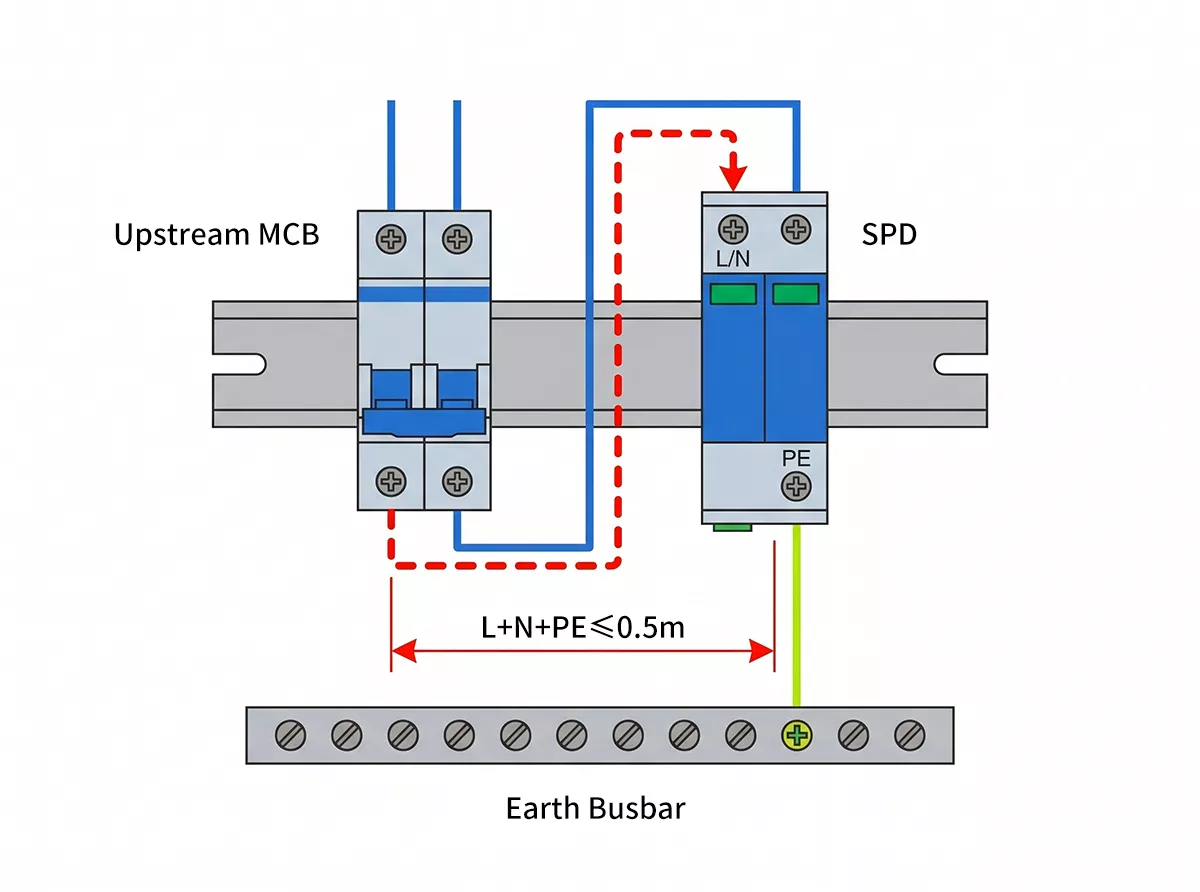
Figure 11: SPD wiring length diagram showing the 50cm rule — total connecting lead length (line side + PE) should not exceed 0.5 m
Conductor Sizing
The SPD connection conductors need to carry surge current without burning out before the MOV has done its job. IEC 60364-5-53 sets the minimum earthing-conductor size for SPDs at the origin of the installation: 16 mm² copper for a Type 1 SPD and 6 mm² for a Type 2 SPD. Size the line conductors as the SPD datasheet specifies. Thor Electric SPDs accept up to 16mm² solid or 35mm² stranded — sized for direct connection to main distribution busbars without intermediate terminations.
OCPD Coordination
Every SPD needs overcurrent protection that disconnects it if it fails short-circuit. If the existing upstream fuse or breaker is within the maximum backup rating on the SPD datasheet, it can do that job; if it is larger, add a breaker or fuse in the SPD branch.
Type 1 devices require higher-rated protection given the larger impulse currents involved. Check the individual datasheet for the specific backup fuse recommendation before installation.
The OCPD protects the SPD, not the other way around. An SPD is not a substitute for a circuit breaker, and a circuit breaker offers no protection against transient overvoltage. Both are required.
Common Wiring Mistakes to Avoid
Most SPD failures in the field aren’t product failures. They’re installation errors that either reduce protection or destroy the device prematurely.
Exceeding the 0.5m lead length. The most common one. Installers route cables neatly around the board perimeter instead of taking the shortest path to the busbar. The SPD still works — it just doesn’t clamp at the voltage the datasheet promises. Sensitive equipment downstream sees a higher residual voltage than expected.
Wrong connection mode for the earthing system. A 4+0 SPD ahead of the RCD in a TT system leaves a line-to-PE failure that the backup protection may never clear. Use 3+1. The MOV degrades, the thermal protection eventually trips, and the SPD reaches end of life years ahead of schedule — usually without anyone noticing until the fault indicator shows red.
No upstream OCPD, or wrong rating. Some installers skip the backup fuse to save a DIN rail slot. If the SPD fails short-circuit without an OCPD upstream, the fault current path stays live. That’s a fire risk, not just a protection gap.
Mixing up Type 1 and Type 2 installation positions. Type 2 devices installed at the main incomer position — where Type 1 belongs — Where the building has an external lightning protection system or an exposed overhead supply, the incoming position needs a Type 1 or Type 1+2 device. A Type 2 there will see 10/350 µs partial lightning currents it is not rated for.
Loose PE connections. The earth path is where surge current actually goes. A high-resistance PE connection — corroded lug, undertorqued terminal, damaged conductor — dramatically reduces SPD effectiveness. Torque PE terminals to the manufacturer’s specification and verify continuity after installation.
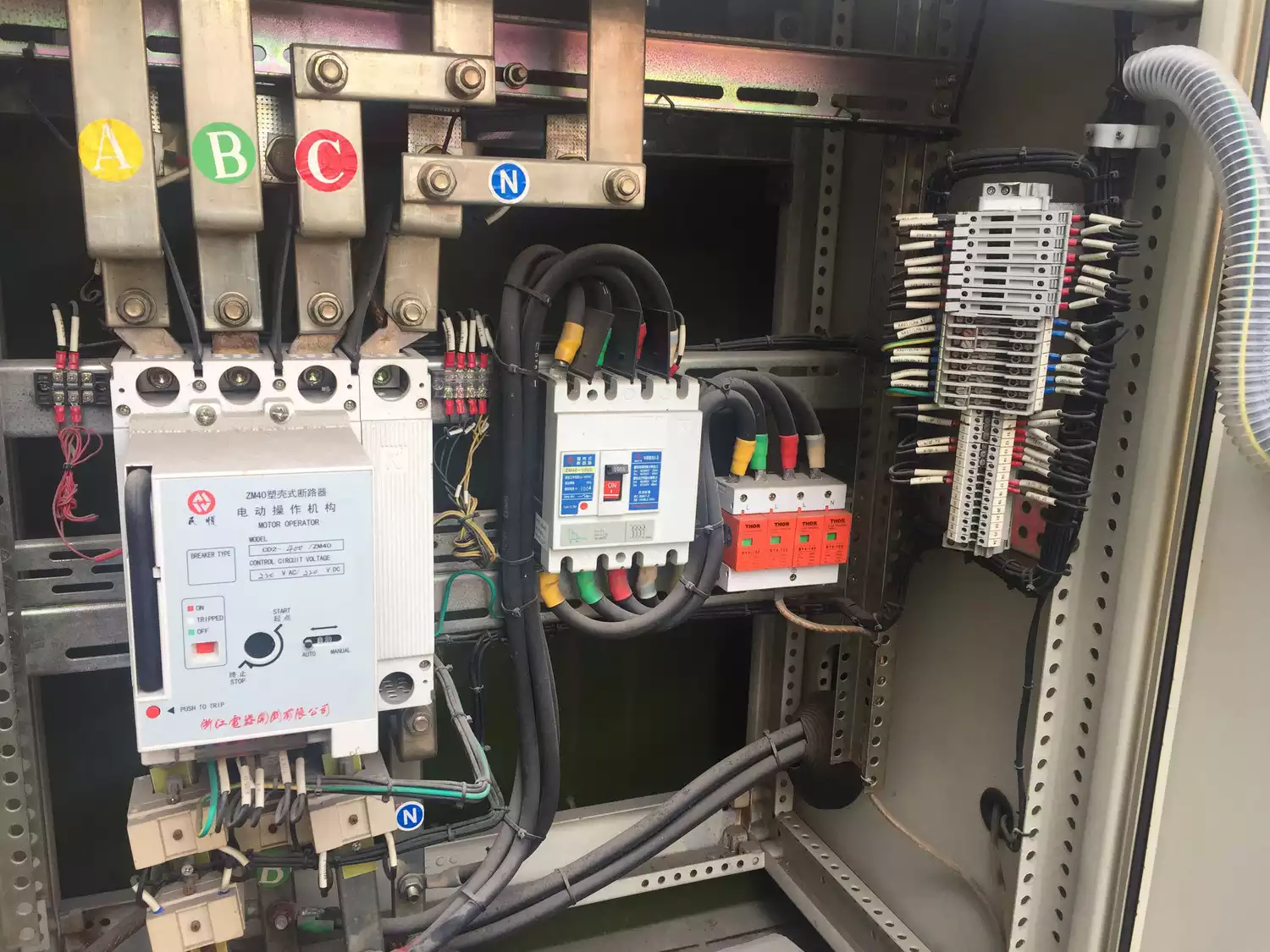
Figure 12: Thor SPD installed in distribution board with short lead lengths and upstream MCCB protection
Frequently Asked Questions
What’s the difference between 4+0 and 3+1 wiring in a three-phase SPD?
4+0 connects L1, L2, L3, and N directly to PE — standard for TN-S systems where N-PE voltage is close to zero. 3+1 protects phases relative to neutral with a separate N-PE path — required for TT systems, where a line-to-PE failure ahead of the RCD may not trip the backup protection.
Does an SPD need its own circuit breaker?
Not always. It needs overcurrent protection, and the existing upstream device can provide it if it is within the SPD’s maximum backup rating. Add a separate breaker or fuse when the upstream device is larger, or when you want a failed SPD to disconnect without taking other circuits off supply. For sizing, see what size MCB for SPD protection.
Does SPD wiring differ between TN-S and TT earthing systems?
Yes. TN-S uses 4+0 or 2+0 because N-PE voltage is near zero. In TT systems the SPD needs 3+1 so that an internal failure becomes a line-to-neutral fault the backup protection can clear.
How do I know if my SPD is wired correctly?
Check three things: visual fault indicator (green = OK, red = end of life), lead lengths within 0.5m total, and connection mode matches the earthing system. If the SPD has remote signalling contacts, connect them to a monitoring system for automatic fault detection.
Protect Your Installation with the Right SPD
Wiring an SPD correctly starts with the system it’s going into — the earthing arrangement, voltage level, and protection type required. Thor Electric SPDs cover the full range of AC, DC, and PV applications, certified to IEC, TUV, CE, RoHS, CB and ISO standards, with pluggable modules for field replacement without rewiring.
For product selection support or project-specific recommendations, contact the Thor Electric Team.