
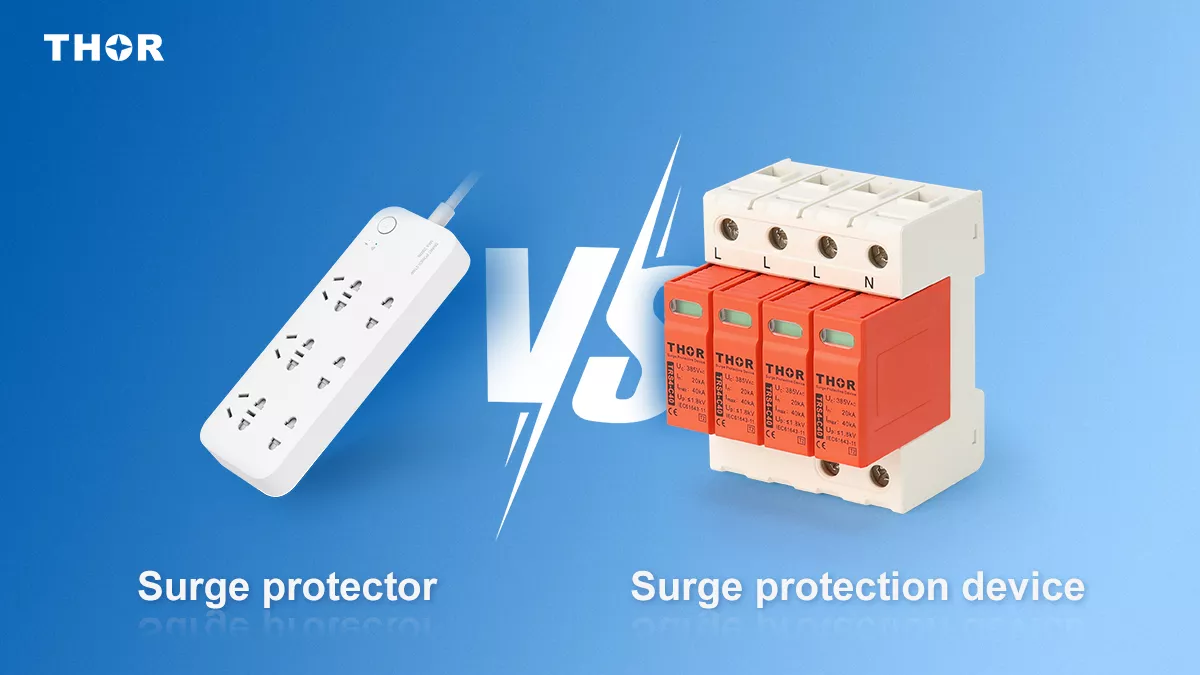
Surge protector, surge suppressor, SPD — you’ve probably seen all three terms used to describe the same thing. In practice, they’re not always the same. A power strip with built-in MOVs and a panel-mounted Type 2 SPD both protect against voltage spikes, but they operate at completely different levels of the electrical system.
This article breaks down the difference between surge protectors and surge protection devices, explains where surge suppressors fit in, and helps you decide which type of protection your system actually needs.
What is a surge protection device (SPD)
A surge protection device — commonly abbreviated as SPD, and sometimes called a surge suppressor or surge arrester in industrial contexts — is designed for installation inside electrical distribution systems. SPDs comply with international standards such as IEC 61643 and UL 1449, and are used across residential, commercial, and industrial installations.
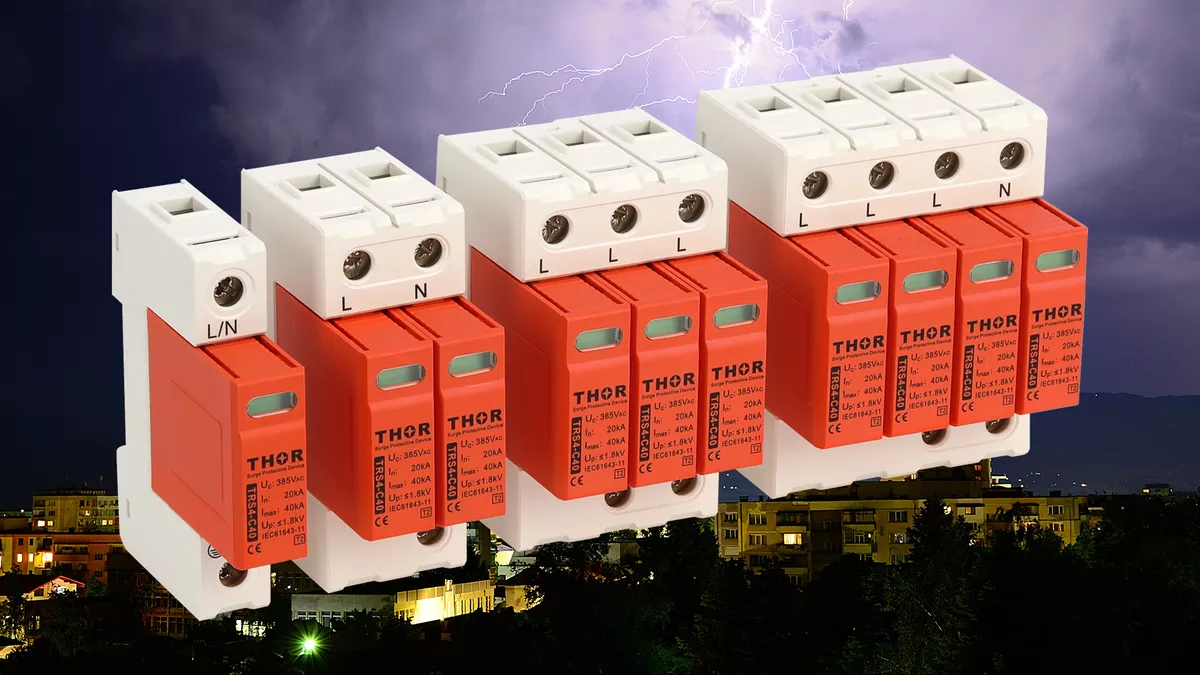
Figure 1 – Pluggable modular surge protection device
Unlike consumer-grade surge protectors, SPDs are engineered to withstand higher surge currents and are typically installed at main panels, subpanels, or critical circuit points. These devices may include Type 1, Type 2, or Type 3 classifications, depending on their placement and protective scope within the system.
SPDs function by using internal components—such as metal oxide varistors (MOVs), gas discharge tubes (GDTs), or silicon avalanche diodes (SADs)—to divert surges to ground before they reach sensitive equipment. Some models are modular, allowing replacement of worn components without dismantling the entire unit. Indicators or remote signaling features are often included to communicate operational status.
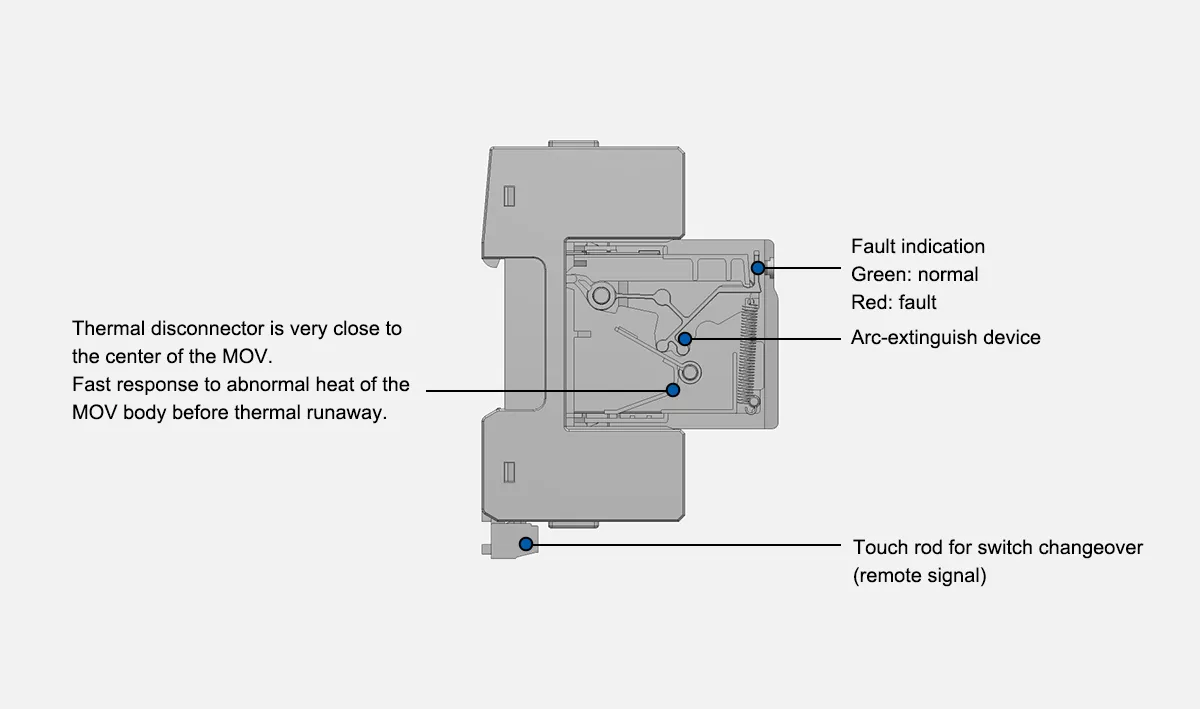
Figure 2 – Inside the surge protection device
In many cases, an SPD device is also referred to as a surge arrester or surge suppressor, particularly in industrial applications. These terms highlight the protective role of the device but refer to the same general category of equipment designed to guard against power disturbances.
What is a surge protector
A surge protector — also sold as a surge suppressor power strip or power strip surge protector — is the plug-in device most people have behind their desk or TV unit. It’s a power strip with built-in components that divert transient voltages away from connected electronics.
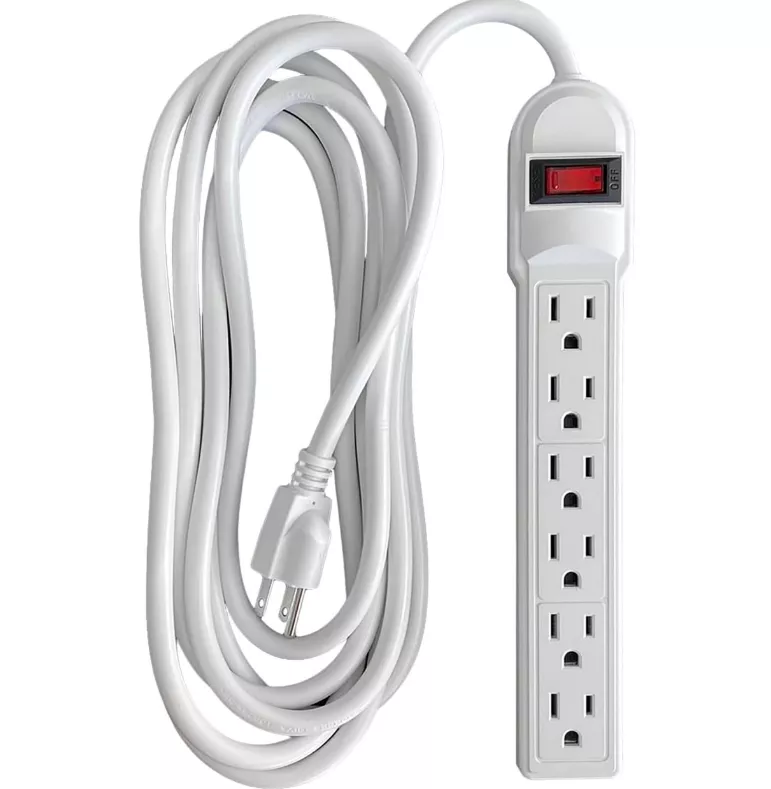
Figure 3 – Power strip with surge suppression
These consumer-level devices are frequently used to protect personal computers, televisions, routers, and other household electronics. When a voltage spike occurs—such as during a storm or utility fluctuation—the surge protector absorbs or redirects the excess energy to ground, offering limited protection for small-scale applications.
Some surge protectors include basic indicators, such as an LED light to show active protection, but most do not provide diagnostics or long-term monitoring. Additionally, their energy-handling capability is relatively low, and their internal protection components (like MOVs) degrade over time. They are often discarded and replaced without notice once their protection capacity is spent.
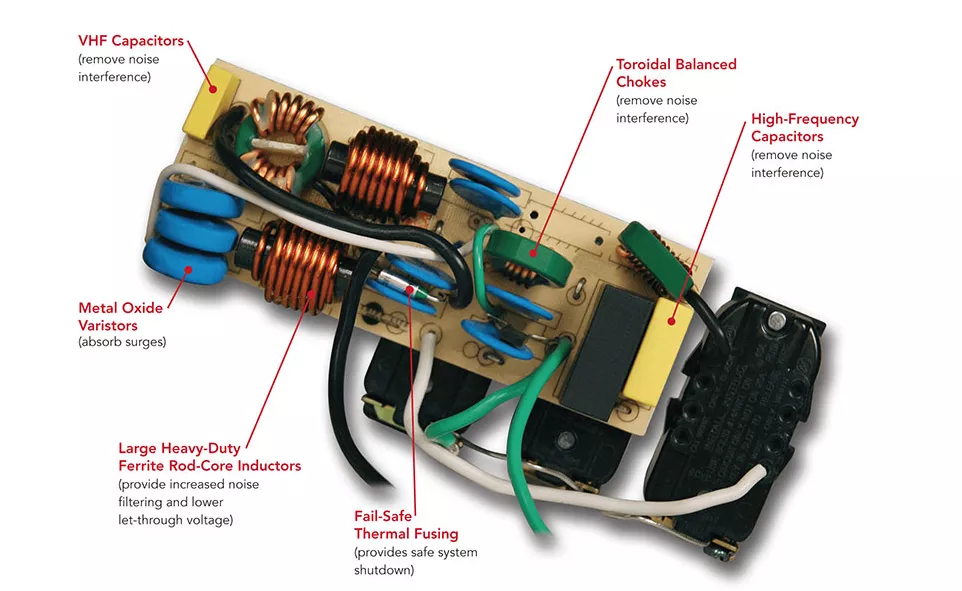
Figure 4 – Inside the power strip with surge suppression
Surge protection device vs. surge protector: key differences
Although surge protectors and surge protection devices (SPDs) are both designed to limit the damage caused by voltage spikes, they differ significantly in function, structure, and application. Understanding these differences is essential when selecting the appropriate protection for a given system.
Scope of Protection
A surge protector — often seen as a power strip with built-in suppression components — is typically used to protect individual or small groups of devices such as televisions, computers, or printers. These products are designed for relatively low-energy surges and are primarily intended for residential or light commercial environments.
By contrast, a surge protection device is installed directly within an electrical distribution system. It protects entire circuits or systems, such as a building’s main panel, industrial control cabinets, or renewable energy inverters. SPDs are built to handle higher surge currents and repeated transients over time.
Design and Standards
Surge protectors generally follow consumer-grade standards (e.g., UL 1449 for power strips with surge suppression). They are compact, plug-and-play devices with minimal diagnostic capability, and once their internal components degrade, protection may cease without any warning.
SPDs, on the other hand, comply with more advanced industrial standards, such as IEC 61643-11, EN 50539, or IEEE C62.41. These devices are often modular, DIN-rail mounted, and include visual indicators or remote signaling terminals for monitoring status. Depending on the installation point, SPDs are categorized as Type 1, Type 2, or Type 3, each offering different levels of protection based on exposure risk.
Surge Capacity and Durability
The internal components of a surge protector — typically a few metal oxide varistors (MOVs) — are designed to handle one or a few moderate surges. Over time, and especially without proper grounding, their performance deteriorates silently.
SPDs, however, are equipped to withstand high-energy transients, such as those caused by lightning strikes or industrial switching operations. Many SPDs incorporate replaceable modules and feature higher discharge current ratings (Imax), making them more suitable for long-term installation in critical systems.
Installation and Use Case
Surge protectors are placed near the load — often plugged into wall outlets or power bars. Their use is limited to protecting the devices directly connected to them.
SPDs are installed at various points in the power distribution hierarchy — including the main service entrance, sub-distribution boards, or terminal equipment — forming part of a coordinated surge protection system. This layered approach offers a higher level of security for complex installations.
Terminology and Misconceptions
The terms surge protector, surge suppressor, and SPD are often used interchangeably in everyday language — and that’s where confusion starts.
In technical and regulatory contexts, a surge suppressor or surge arrester typically refers to a panel-mounted SPD with defined discharge ratings and compliance to IEC or IEEE standards. A surge protector, by contrast, usually refers to the consumer-grade power strip variant.
That said, many manufacturers label their power strips as “surge suppressors” for marketing reasons, which adds to the confusion. The reliable way to tell them apart is to look at the standards they’re tested to: IEC 61643-11 or IEEE C62.41 for SPDs; UL 1449 for consumer surge protectors.
| Feature | Surge Protector | Surge Protection Device (SPD) |
| Typical Use | Single device protection | System-wide protection |
| Application | Residential/office | Residential, commercial, industrial |
| Standards | UL 1449 (consumer) | IEC 61643-11, IEEE, EN standards |
| Installation | Plug-and-play | Panel-mounted (DIN-rail or screw-in) |
| Surge Capacity | Low | Medium to high |
| Monitoring | Rare | Often includes indicators or remote alarms |
| Replaceable Components | No | Yes (in many models) |
| Product Life | Degrades quickly | Long-term, serviceable |
| Other Names | Power strip surge protector, surge suppressor | SPD, surge arrester, surge protection SPD |
Comparison Table: Surge Protector vs. SPD
In short: if a product is marketed as a surge suppressor but only comes with a power cord and a row of outlets, it’s a consumer surge protector. A true surge suppressor in the industrial sense is panel-mounted, carries an Imax or Iimp rating, and is tested to IEC standards.
Why the right surge protection strategy matters
Not all electrical systems face the same level of risk from voltage transients. In a residential setting, a basic surge protector may offer enough protection for consumer electronics during occasional grid disturbances. However, in commercial buildings, data centers, or industrial facilities, where electrical loads are more complex and the stakes are higher, a more comprehensive approach using surge protection devices becomes essential.
Voltage surges can originate from both external sources — such as lightning strikes or utility switching — and internal sources, including motor starts, elevator operations, and HVAC equipment. Without the appropriate protection strategy, even brief surges can cause:
● Cumulative damage to sensitive equipment
● Data loss or corruption
● Unexpected downtime and repair costs
● Decreased lifespan of electrical infrastructure
An effective surge protection system is typically designed in layers, using SPDs installed at different points throughout the electrical distribution network. This layered defense minimizes the chances of a surge reaching critical devices, even when it enters the system from an unexpected source.
While a power strip surge protector may serve as a final line of defense for specific appliances, it should never be considered a complete solution for protecting an entire building or facility. Relying solely on consumer-grade products can leave critical systems exposed.
Integrating the right surge protection devices into the electrical design — matched to the system’s voltage level, exposure risk, and type of load — helps reduce long-term costs, supports compliance with safety standards, and protects operational continuity.
Is a surge protection device necessary for your system?
Whether a surge protection device (SPD) is necessary depends on several factors, including system complexity, location, equipment sensitivity, and the potential financial or operational impact of a failure. In many cases, especially beyond basic residential use, an SPD is not just recommended — it is a critical part of the electrical infrastructure.
When an SPD is essential
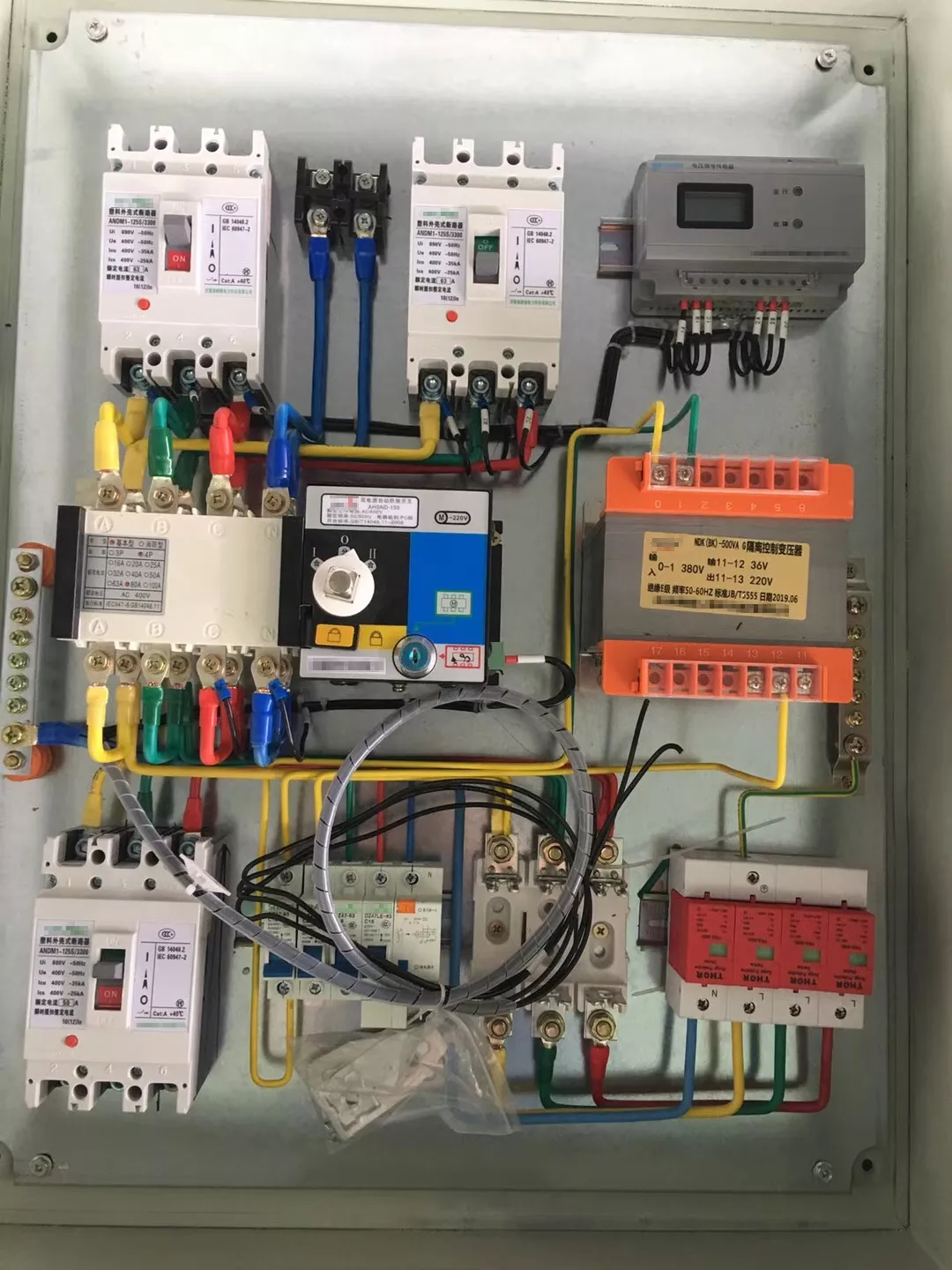
Figure 5 – surge protection device installed at complex distribution board
Commercial and Industrial Buildings
Facilities with interconnected systems, automated machinery, HVAC units, and sensitive electronics face regular internal switching surges. In these environments, SPDs offer reliable protection where standard surge protector power strips would be insufficient.
Mission-Critical Systems
Data centers, hospitals, laboratories, and telecom operations rely on continuous uptime. Even a brief disruption due to a power surge can cause significant data loss or service interruption. SPDs offer layered protection and monitoring features to support uninterrupted operation.
High-Risk Locations
Structures in areas prone to lightning or utility grid instability benefit from Type 1 or Type 2 SPDs installed at service entrances and distribution boards. These electrical SPDs are capable of discharging high-energy surges before they reach branch circuits.
Sensitive or High-Value Equipment
Audio/video production studios, industrial control panels, renewable energy systems, and automated manufacturing lines often include equipment that is sensitive to voltage fluctuations. Installing SPDs helps preserve performance and reduce the risk of damage.
When a Surge Protector May Be Sufficient
In lower-risk residential settings, especially where major appliances or equipment are not exposed to outdoor electrical lines or industrial loads, a surge protector device — such as a power strip surge suppressor — may provide adequate protection for TVs, computers, and networking gear. However, even in homes, the growing presence of smart systems, HVAC controls, and solar inverters is making SPDs increasingly relevant.
Ready to Choose the Right Surge Protection?
Choosing the right surge protection for your system depends on your installation type, exposure risk, and equipment sensitivity. If you’re specifying SPDs for a commercial, industrial, or renewable energy application, Thor Electric’s team can help you select the right product and protection level.
Contact us for product recommendations or to request a sample: https://spds.global/contact-us/