
If you’re sourcing surge protective devices to sell under your own brand, you need an OEM SPD manufacturer who builds to your spec, ships on your timeline, and stays out of your customer relationships. That’s what OEM and ODM manufacturing means in practice — and the difference between the two affects how you structure the engagement from day one.
Thor Electric manufactures IEC 61643-certified SPDs for distributors, system integrators, and electrical brands across more than 80 countries. Private label, custom specifications, full ODM — all available. Your brand on the product, not ours.
OEM vs ODM: Which Model Fits Your Business?
An OEM SPD manufacturer supplies existing, certified surge protection devices for private labeling — shorter lead time, lower MOQ, no new type testing. An ODM manufacturer engineers a new SPD to your specifications — full design flexibility at the cost of longer development and certification expense. Your decision comes down to timeline, order volume, and whether you need a differentiated electrical specification or the fastest path to market.
The terms get used interchangeably, but they describe two different starting points.
OEM (Original Equipment Manufacturer) means you take an existing, certified product and put your brand on it. The electrical design is ours. Your logo goes on the housing, your part numbers go in the documentation, your packaging goes on the shelf. Lead time is short because the engineering is already done.
ODM (Original Design Manufacturer) means you bring requirements — target market, voltage system, form factor, certification scope — and we engineer the product to meet them. More flexibility, longer development cycle, higher initial investment.
| OEM | ODM | |
| Starting point | Our existing certified models | Your specifications |
| Certification | Already holds IEC, TUV, CE | New testing required |
| Lead time | 2–3 weeks (existing molds) | 2–3 months+ |
| MOQ | Lower | Higher |
| Best for | Market entry, private label | Differentiated product, unique specs |
Figure 1 illustrates the decision path between OEM and ODM based on your timeline and customization requirements.
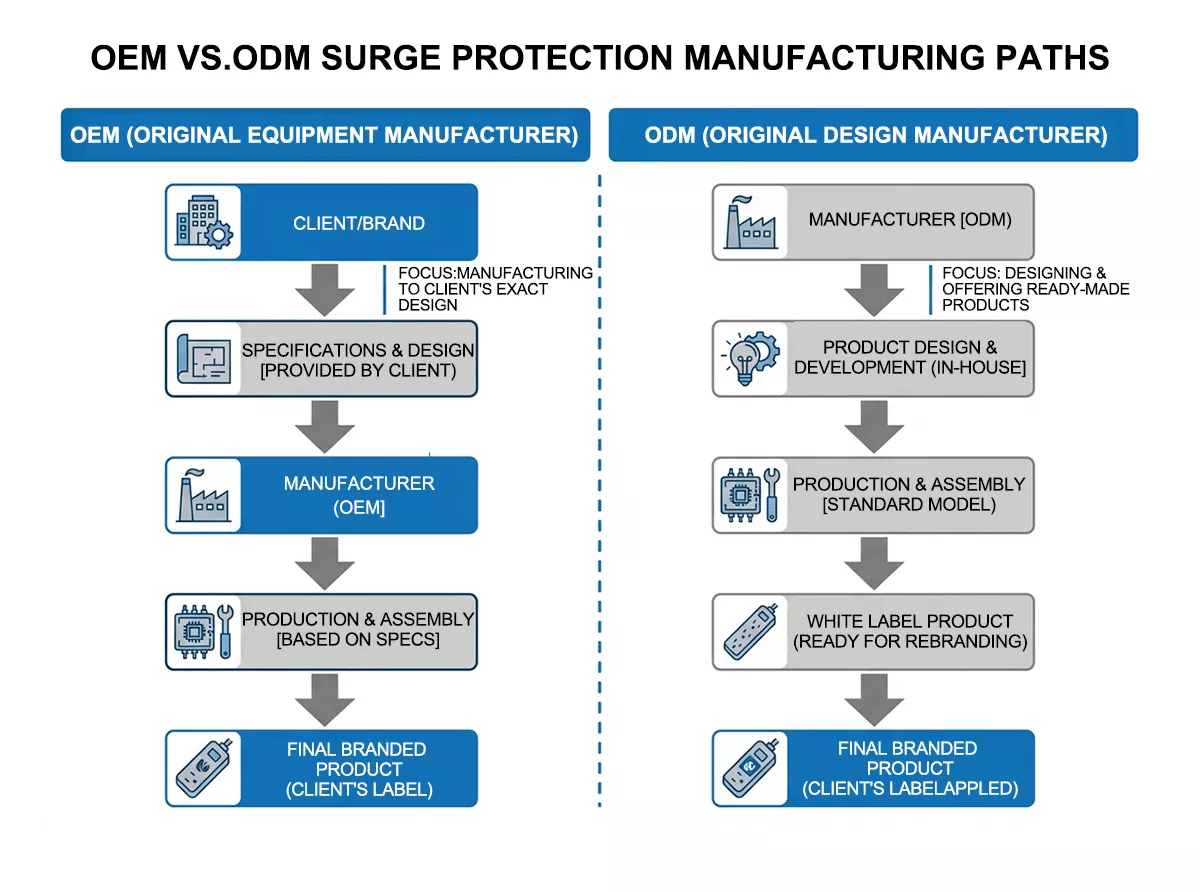
Figure 1 – OEM vs ODM decision guide for private label SPD sourcing
What Can Be Customized on an SPD
Most buyers start by asking about logo and packaging. Those are the easy part. The more useful question is how far the electrical specification can move while staying within IEC 61643-11 compliance.
Branding and packaging
- Housing color and laser-etched or silk-screened logo
- Custom packaging, inserts, and multilingual manuals
- Your part numbers in documentation and labeling
- No co-branding, no Thor watermark on the finished product
Laser marking is done in-house on an automated line. Each housing passes through a vision inspection station before marking to verify surface condition, then the laser etches your logo, part number, or regulatory markings in a single pass. No pad printing, no adhesive labels — the mark is permanent and resists the cleaning solvents used in panel assembly environments.
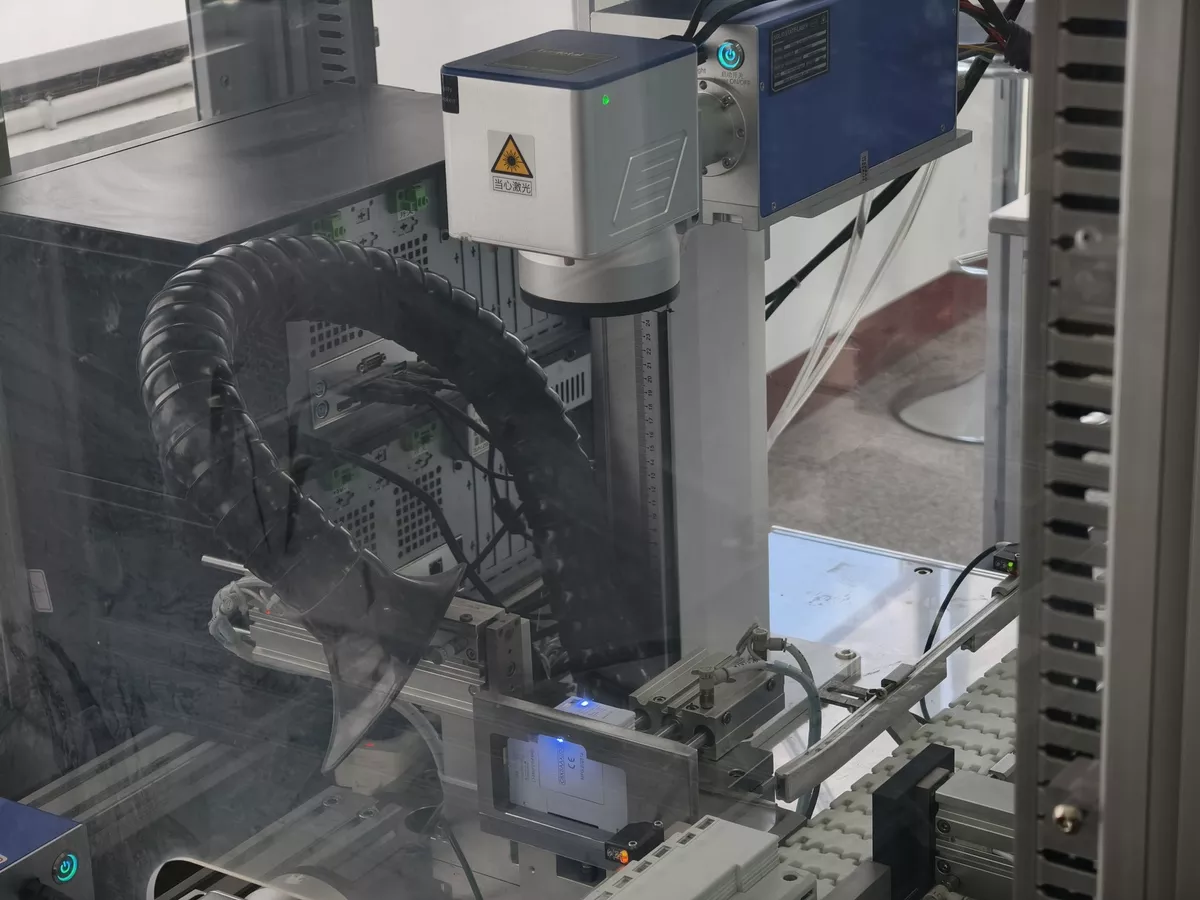
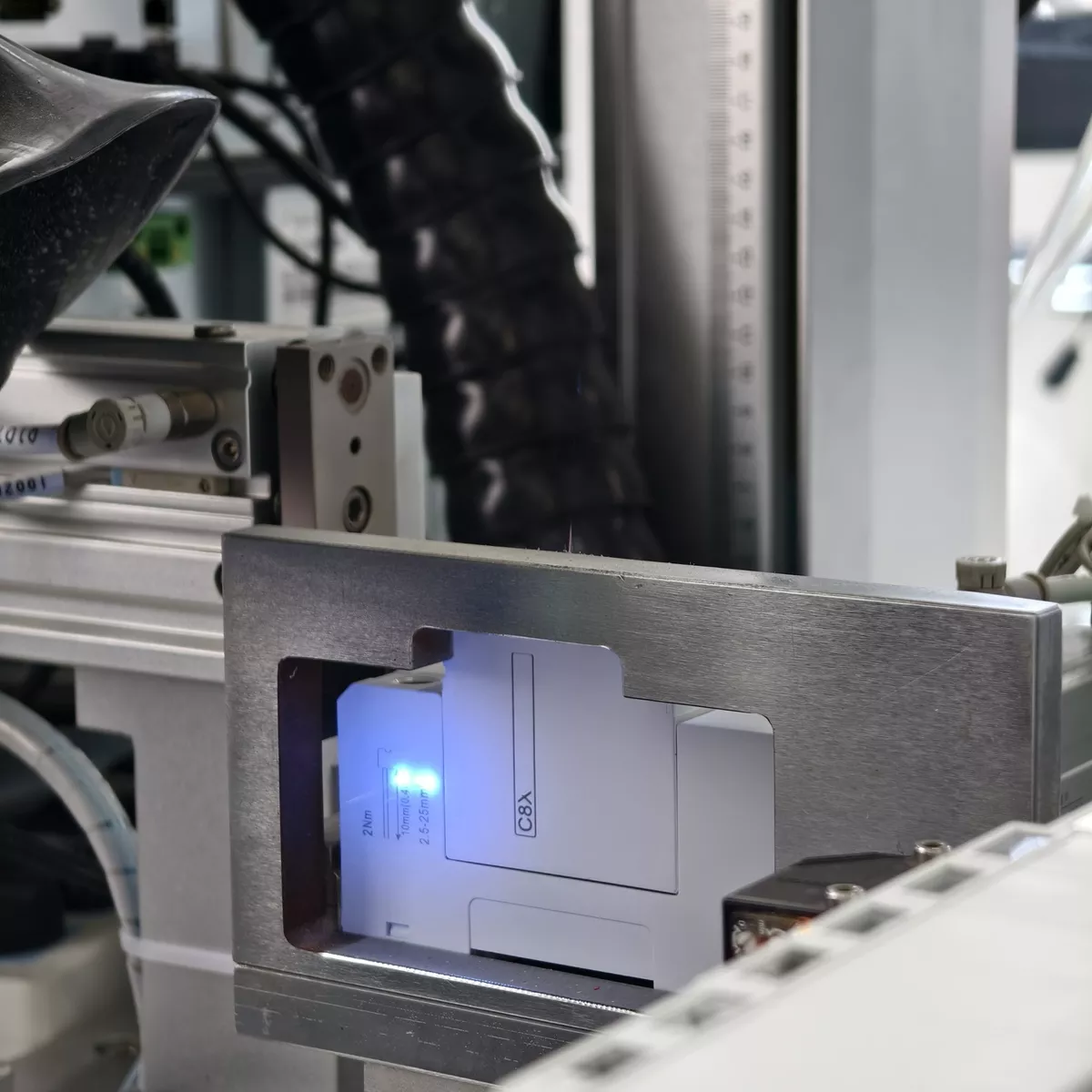
Figure 2 — Automated laser marking line at Thor Electric — vision inspection and laser etching on OEM SPD housings
Electrical parameters
- Uc (maximum continuous operating voltage) — selectable across standard values: 275V, 320V, 385V AC for most AC SPD series
- Protection mode configuration — 1+0, 2+0, 3+0, 4+0, 3+1 depending on target earthing system
- Pole count and terminal configuration
- Remote signalling contact — included or omitted per your requirement
What cannot be changed
Core protection performance — Imax, Up, response time — is fixed by the certified design. Modifications that affect these parameters require new type testing, which moves the engagement from OEM into ODM territory.
The OEM Process: From Requirements to Delivery
Most first-time OEM buyers underestimate how fast an OEM SPD manufacturer can move when the base model already exists. Four steps from inquiry to shipment.
1. Requirements
Tell us your target market, local voltage system (TN-S, TT, IT), required certifications, and annual volume estimate. We recommend the right base model or flag where ODM is the better path. No commitment at this stage.
2. Sample
Pre-production samples with your branding. For existing molds, samples ship within 2–3 weeks. New tooling adds time — complexity determines the schedule, typically within 2–3 months. Sample orders welcome before any volume commitment.
3. Production
Production runs on a fully in-house automated line. Solder joints are completed on an automated soldering station, housings are potted for moisture and vibration resistance, and every unit goes through full-parameter electrical testing before leaving the line.
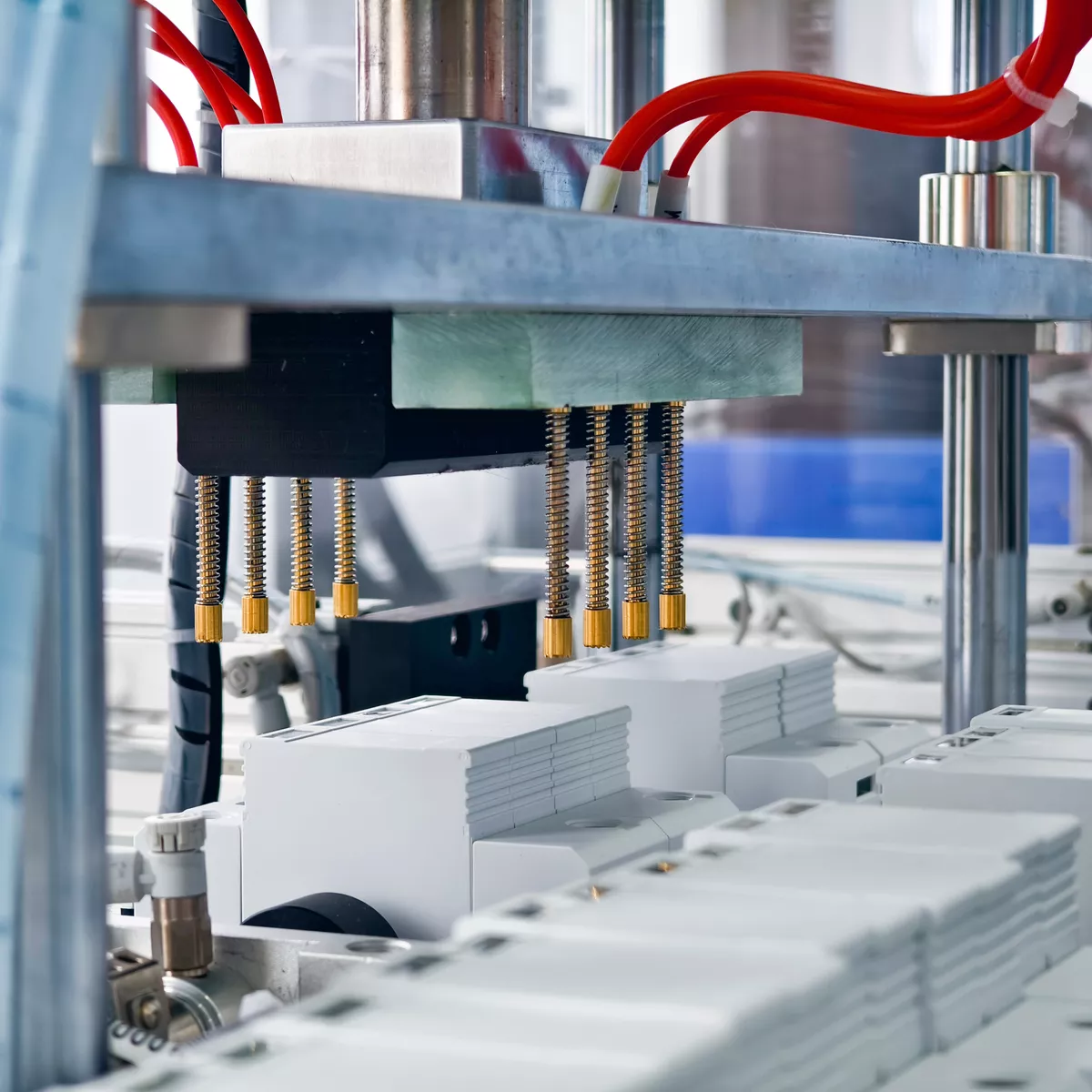
Figure 3 – Automated soldering and full-parameter electrical testing on the Thor Electric OEM SPD production line
Laser marking etches your logo and part numbers directly onto the housing — permanent, solvent-resistant, no labels. Custom packaging is handled on the same line, so branded cartons and inserts ship as a single production output, not an afterthought.
The QC process is identical for OEM and own-brand orders. No separate OEM grade.
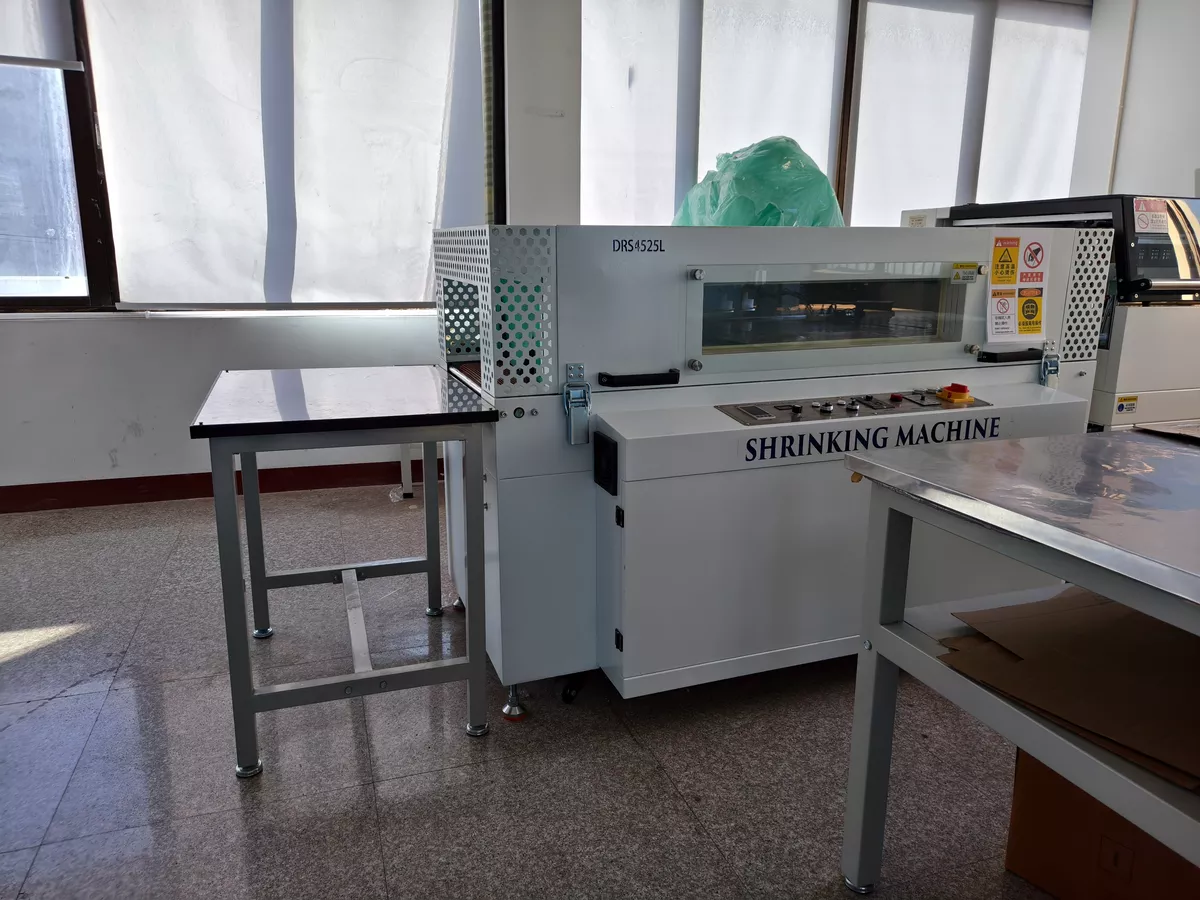
Figure 4 – Automated shrink-wrap packaging line at Thor Electric — OEM orders ship in branded cartons with custom inserts
4. Delivery
Standard models ship from stock within 7 working days. Custom orders carry lead times confirmed at order placement.
Why Certification Coverage Matters for OEM Orders
Certificate scope mismatches are the single most common OEM pitfall we see — roughly one in three first-time buyers discovers their private-label SPD isn’t covered for the exact configuration they ordered, usually when the shipment hits customs and the paperwork doesn’t match.
When you put your brand on a product, you take on responsibility for its compliance in your target market. A CE mark on the housing is not enough on its own — the Declaration of Conformity behind it must reference the correct directives, and the test report must cover the exact model configuration you’re ordering.
A few things to verify before signing off on an OEM order:
- Certificate scope — does it cover the specific model, pole count, and Uc value you’re ordering, or just a base configuration?
- Test report — issued by an accredited third-party lab, not self-declared. DAkkS (Germany), UKAS (UK), and CNAS (China) are recognized accreditation bodies.
- Declaration of Conformity — must reference Low Voltage Directive 2014/35/EU and EMC Directive 2014/30/EU for EU market access.
- TUV certification — independently verifiable. Thor’s TRS30B+C carries TUV Rheinland certification, searchable directly on Certipedia by certificate number.
IEC 61643-11 is the core performance standard for AC SPDs — verify the test report references it explicitly (IEC 61643 series , under TC 37/SC 37A.
All Thor Electric SPDs are certified to IEC, TUV, CE, RoHS, CB and ISO standards. When you order under your brand, the underlying certification remains intact — what changes is the label, not the tested design.
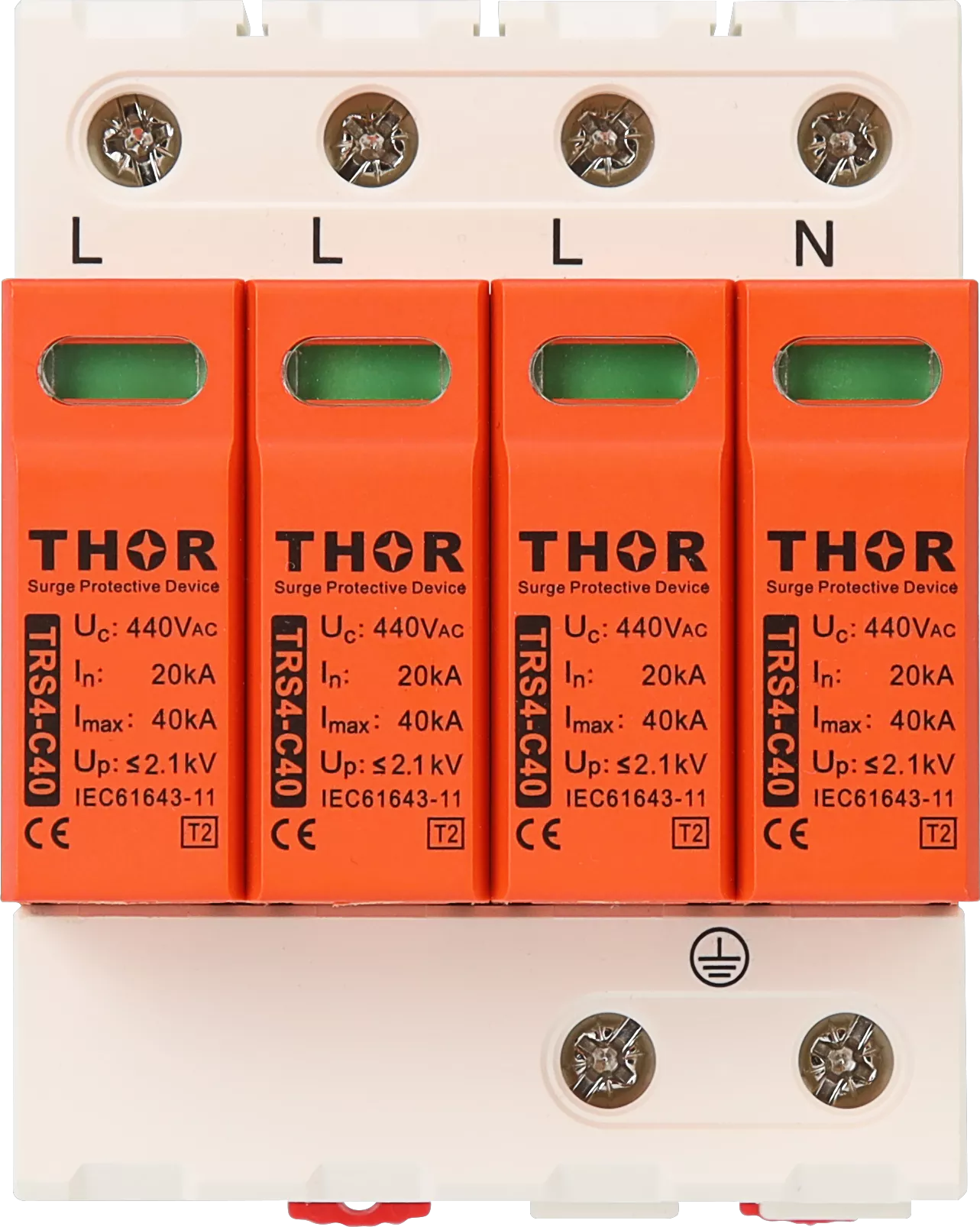
Figure 5 – Thor Electric TRS4-C40 AC SPD — private label OEM sample with custom branding
FAQ
What is the minimum order quantity when working with an OEM SPD manufacturer?
MOQ is negotiable and lower than industry average for first orders. For standard private label orders using existing models and molds, sample quantities are accepted before any volume commitment. Final MOQ depends on the specific model, customization scope, and packaging requirements — browse standard SPD models and confirm at inquiry stage.
What is the difference between OEM and ODM for surge protection devices?
OEM means your brand goes onto an existing certified product — the electrical design stays unchanged. ODM means you bring your own specifications and we engineer the product to meet them. OEM is faster and lower-cost to enter; ODM gives you a differentiated product but requires new type testing and a longer development cycle. For a more detailed comparison, see our guide on how to choose an SPD manufacturer .
Can I customize the electrical specifications of an OEM SPD?
Yes, within limits. Uc, protection mode, pole count, and terminal configuration are adjustable across standard values while staying within the certified design. Changes that affect core protection performance — Imax, Up, response time — require new type testing and move the engagement into ODM territory.
How long does it take to get OEM samples?
For existing molds, pre-production samples with your branding ship within 2–3 weeks. If new tooling is required, lead time depends on complexity — typically within 2–3 months. Sample orders are accepted without volume commitment.
Will Thor Electric contact my customers or compete with my distribution?
No. We manufacture — you sell. We don’t contact your clients, list your pricing, or compete with our own OEM partners. Your customer relationships and brand equity stay with you.
How do I verify that the certifications on an OEM SPD are genuine?
Ask for the full test report from an accredited third-party lab alongside the certificate. For TUV-certified models, certificates are independently verifiable on TUV Rheinland’s Certipedia database at Certipedia . The certificate must cover the exact model configuration — pole count, Uc, protection mode — that you’re ordering.
Work With Thor Electric on Your OEM Project
Thor Electric manufactures AC SPDs, DC, PV, and signal line SPDs certified to IEC, TUV, CE, RoHS, CB and ISO standards. Private label orders, custom specifications, and full ODM development are all available with flexible MOQ and sample support before volume commitment.
To discuss your project requirements — target market, voltage system, certification needs, and annual volume — contact us at Thor Electric Contact.