
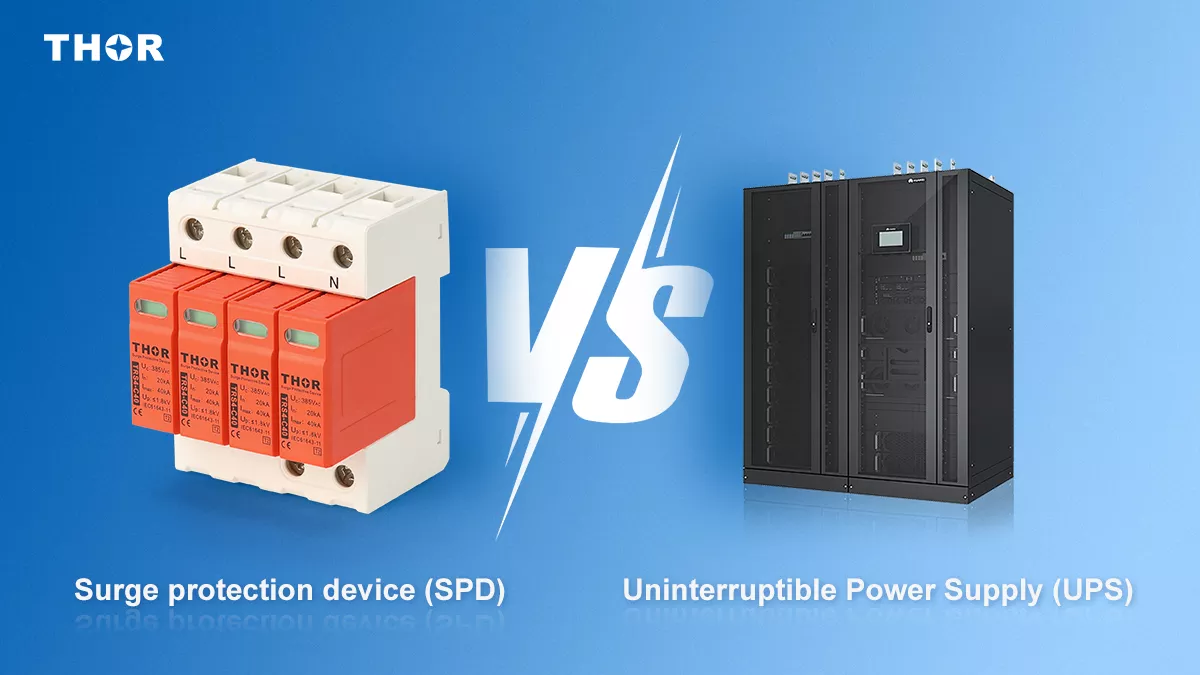
Which one is right for you? In short: an SPD saves your equipment from being fried by lightning and surges, while a UPS saves your data by keeping devices running during a blackout. They solve different problems, and often, you need both.
In today’s power-sensitive environments, maintaining equipment reliability requires more than just backup power — it demands comprehensive protection. Two technologies often mentioned in this context are the Surge Protection Device (SPD) and the Uninterruptible Power Supply (UPS).
Though fundamentally different in design, they are closely aligned in function — both aim to ensure a stable and uninterruptible power supply. An SPD works by diverting transient overvoltages caused by lightning strikes or switching events, using components such as MOVs (Metal Oxide Varistors) and GDTs (Gas Discharge Tubes). In contrast, a UPS provides temporary battery-backed power during outages or voltage dips. Many assume one can substitute the other, but in reality, they tackle different power quality issues.
This article breaks down the key differences, internal components, and application-specific roles of SPDs and UPS systems — helping you decide when to use one, the other, or both as part of a reliable power protection strategy.
What is surge protective device (SPD)?
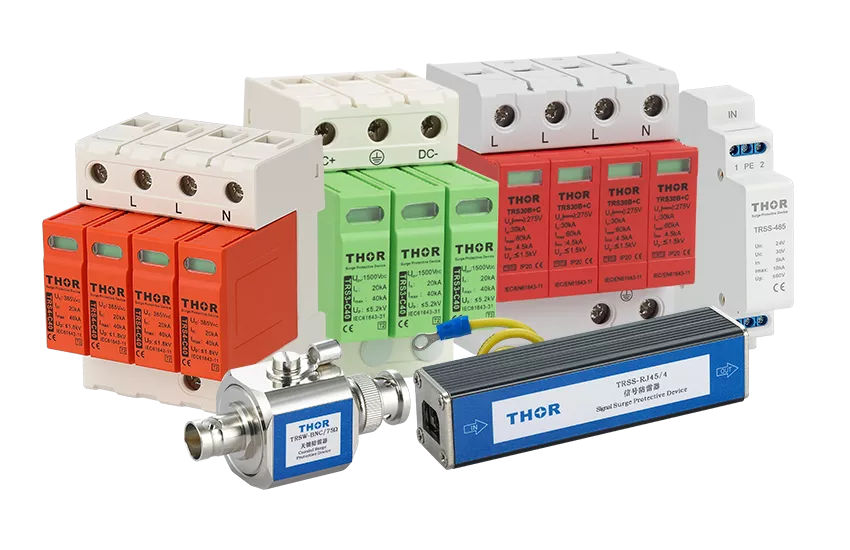
A Surge Protective Device (SPD) is an essential component in electrical systems designed to protect sensitive equipment from transient overvoltages — short-duration voltage spikes typically caused by lightning strikes, power grid switching, or inductive load operations. These surges can damage electronic components, degrade insulation, and shorten the lifespan of connected devices.
As shown is figure 1, SPDs work by diverting excess energy away from the protected circuit and safely grounding it. Common internal components include Metal Oxide Varistors (MOVs), which absorb and clamp surges, and Gas Discharge Tubes (GDTs), which provide robust protection for larger transients. The selection of components often depends on the SPD type and application.
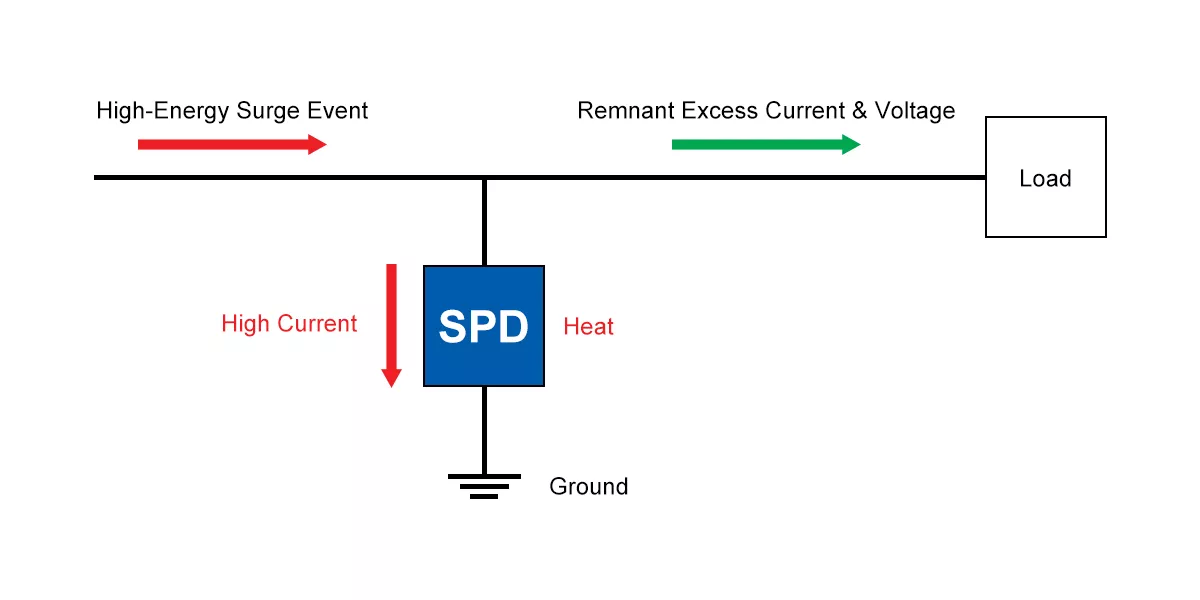
Figure 1 – Surge protective device working principle
SPDs are typically categorized into Type 1, Type 2, and Type 3:
Type 1 Surge Protection Device are installed at the service entrance to protect against external surges, especially lightning.
Type 2 Surge Protection Device are placed at distribution panels to suppress residual surges.
Type 3 Surge Protection Device are used close to end devices for localized protection.
By mitigating surge energy at various levels of an electrical network, SPDs play a vital role in ensuring power stability, equipment longevity, and system reliability, especially in mission-critical environments.
What is an uninterruptible power supply (UPS)?
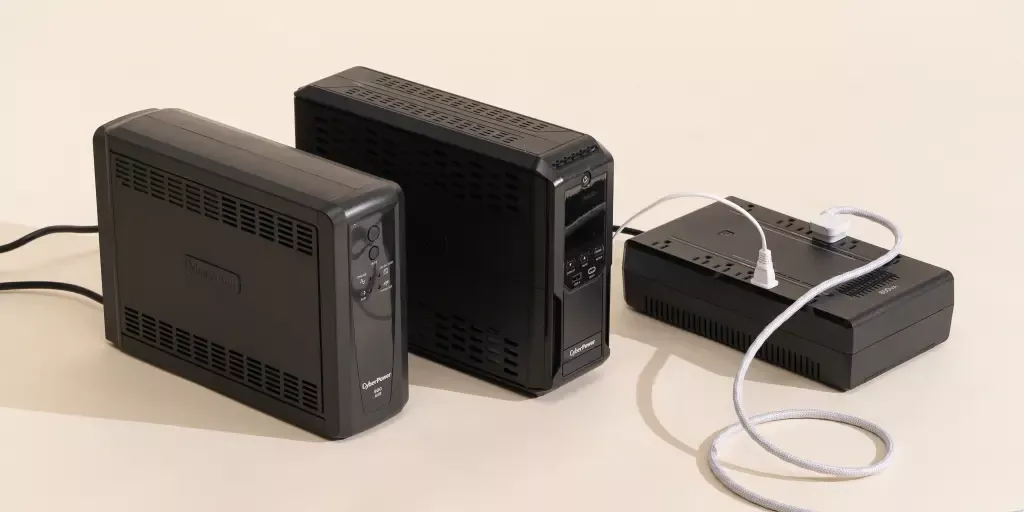
Uninterruptible power supply
An Uninterruptible Power Supply (UPS) is a backup power system designed to provide short-term electricity during power interruptions, voltage sags, or complete blackouts. It allows connected devices — such as computers, servers, or medical equipment — continue to operate without disruption, protecting against data loss, equipment damage, or unexpected shutdowns.
A typical UPS system consists of a battery, an inverter, and a charging circuit. When normal utility power is available, the UPS charges its internal battery.
As shown in figure 2 below, a typical UPS operates by routing utility power through a filter to the load during normal conditions. Simultaneously, the power passes through a rectifier, which converts AC to DC to charge the battery. In the event of a power failure or significant voltage drop, the switch activates instantly, disconnecting the utility and connecting the battery to an inverter, which converts the stored DC power back into stable AC power for the load.
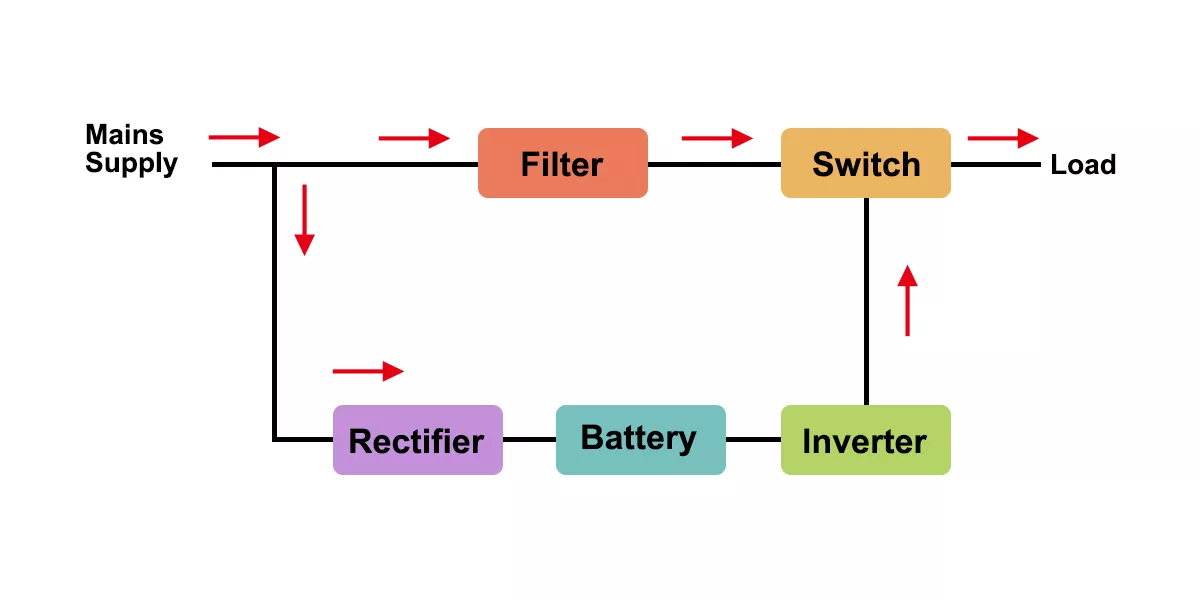
Figure 2 – Uninterruptible power supply working principle
Typical UPS systems come in several types, including:
Offline/Standby UPS: Basic, budget-friendly protection with slight switchover delay.
Line-Interactive UPS: Offers voltage regulation and quick transfer during minor fluctuations.
Online UPS: Provides continuous, clean power with zero transfer time, ideal for critical systems.
Unlike SPDs, which defend against voltage spikes, UPS systems address power continuity and quality. When used together, a UPS and SPD form a comprehensive power protection strategy, shielding equipment from both electrical surges and sudden power loss.
Key differences between surge protection device and uninterruptible power supply
Although both Surge Protection Devices (SPDs) and Uninterruptible Power Supplies (UPS) contribute to electrical reliability, they serve distinct functions and are built to solve different power-related problems.
A Surge Protection Device is designed to defend electrical systems against transient overvoltages, such as those caused by lightning strikes, utility switching, or inductive load changes. It works by clamping or diverting excess voltage to ground before it reaches sensitive equipment. SPDs contain components like Metal Oxide Varistors (MOVs), Gas Discharge Tubes (GDTs), or spark gaps, and are typically installed at service entrances, distribution panels, or near sensitive loads. They activate within nanoseconds and only during surge events.
In contrast, a UPS system provides continuous power supply during outages, brownouts, or severe voltage sags. It contains a battery, rectifier, inverter, and switching mechanism, which ensure that power delivery remains stable even when grid power fails. A UPS system may operate in standby, line-interactive, or online mode depending on the required protection level. It does not stop surges, but it ensures runtime and safe shutdown of equipment when utility power becomes unstable or unavailable.
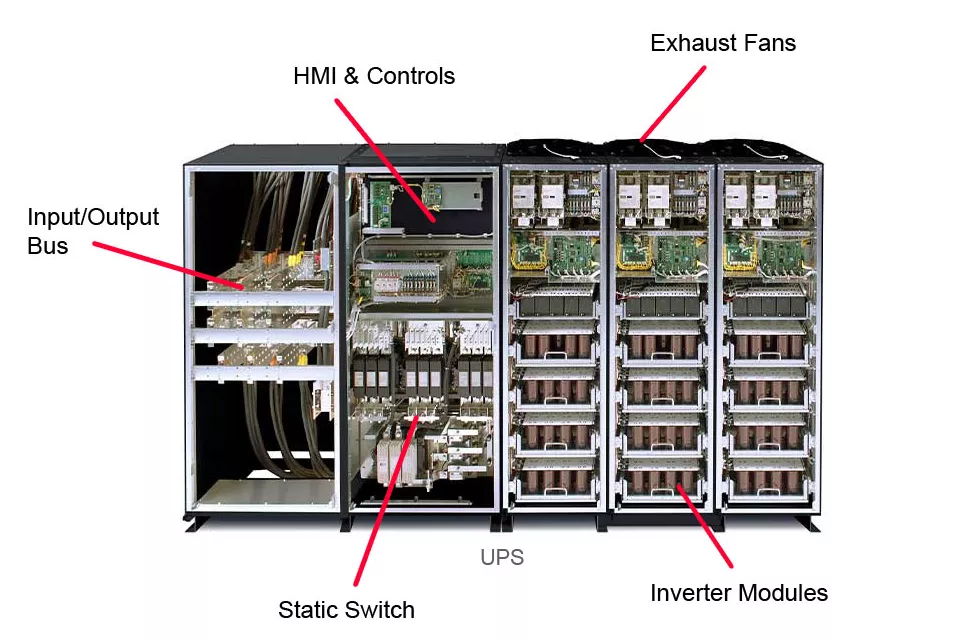
Figure 3 – Basic example of uninterruptible power supply
Functionally, SPDs are preventive (protecting against sudden spikes), while UPS units are reactive (providing power continuity). SPDs do not store energy, while UPS systems do. In critical environments like data centers, hospitals, or telecom stations, both are often used together — with the SPD shielding the UPS from damaging surges, and the UPS supplying power during outages.
Understanding the difference is essential for selecting the right solution — or combination — based on your application’s power quality and continuity requirements.
Do you need both SPD and UPS?
In many modern applications, relying on just a Surge Protection Device (SPD) or only an Uninterruptible Power Supply (UPS) is not enough. While each plays a distinct role in power protection, they are complementary, not interchangeable.
An SPD protects electrical and electronic equipment from transient voltage surges, which may last only microseconds but can permanently damage circuits, degrade insulation, or disrupt data transmission. However, it does not supply power during an outage or voltage dip. Its job is to ensure the voltage stays within safe limits — not to keep devices running.
A UPS, on the other hand, maintains power continuity during blackouts, brownouts, or voltage fluctuations. It gives systems time to shut down safely or continue operating during short-term interruptions. But most UPS systems, especially low- to mid-range models, offer minimal or no surge protection — and can themselves be vulnerable to high-energy surges.
For mission-critical environments like data centers, industrial control rooms, medical facilities, or telecom stations, using both is essential. The SPD defends the UPS and connected equipment from incoming surges, while the UPS ensures uninterrupted operation when power is lost.
In short, if your goal is to protect against both power surges and power interruptions, integrating both SPD and UPS into your system design is not just smart — it’s often a necessity.
Power protection choices: Surge Protection, UPS, or both?
Selecting the right power protection strategy depends on the specific vulnerabilities of your system — whether you’re more exposed to voltage surges, power interruptions, or both. In environments where transient overvoltages are common but power outages are rare, a Surge Protection Device (SPD) alone may be sufficient. These include areas with frequent switching of inductive loads, lightning exposure, or sensitive electronics that require voltage clamping but not continuous runtime. In such cases, a properly installed Type 1 SPD at the service entrance and a Type 2 SPD at downstream panels can offer strong protection.
In contrast, if your location experiences frequent brownouts or brief power losses but has relatively clean voltage, a UPS may be all you need — particularly for non-critical applications like home workstations or temporary setups. A line-interactive or online UPS can maintain power during grid instability and prevent unexpected shutdowns.

Figure 4 – Lightning strike frequency map worldwide
However, for critical systems such as data centers, medical facilities, industrial control systems, or telecom infrastructure, using both SPD and UPS is not optional — it’s essential. An SPD prevents damage from high-energy transients, while the UPS ensures uninterrupted operation during power failure. Together, they form a layered defense that addresses both equipment safety and operational continuity.
Best practices for integration
For effective protection, the SPD should always be installed upstream of the UPS, shielding it from incoming surges that could degrade or destroy internal circuitry. Begin with a Type 1 SPD at the service entrance to intercept high-energy events like lightning or utility switching surges. Then, deploy Type 2 SPDs at distribution boards or near the UPS input to suppress residual surges or internally generated disturbances.
For highly sensitive or isolated equipment, adding Type 3 SPDs at the point of use can provide localized protection. Throughout the system, ensure proper grounding and bonding, as SPD performance relies heavily on a low-impedance path to ground. Poor grounding can render even high-quality SPDs ineffective.
It’s also important to match SPD voltage protection ratings (VPR) with the UPS’s surge tolerance. If the clamping level of the SPD is too high, the UPS might absorb part of the surge; if it’s too low, the SPD could trigger unnecessarily. Finally, while SPDs are largely maintenance-free, UPS systems require regular battery testing and replacement. Without functioning batteries, a UPS offers no backup power, leaving systems exposed during outages.
Following these integration best practices ensures that SPD and UPS units don’t just coexist — they work together to provide seamless, full-spectrum protection.