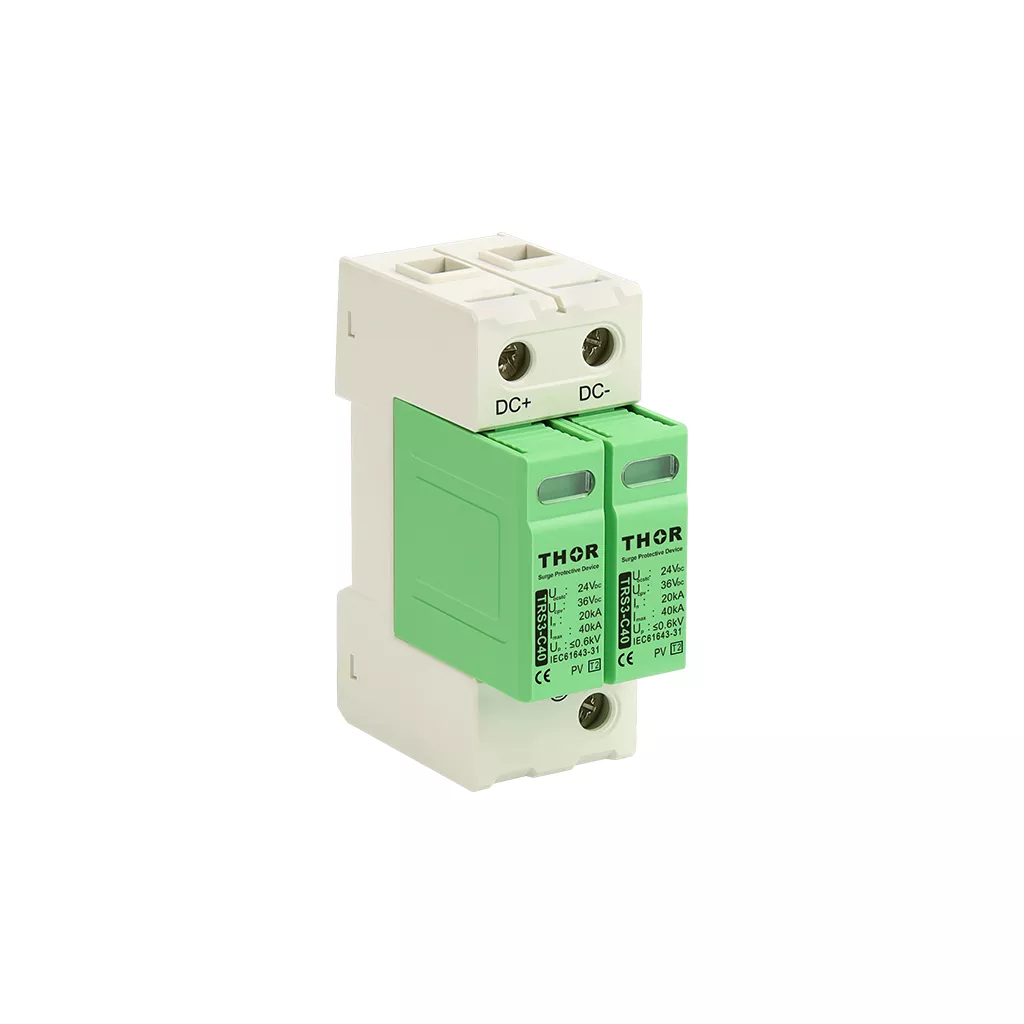
DC Surge Protection Device: Selection Guide for EV Charging, Solar and Industrial Systems
DC surge protection devices protect EV chargers, solar, telecom and industrial DC systems. Learn how DC SPDs work, key parameters, and wiring types.

DC surge protection devices protect EV chargers, solar, telecom and industrial DC systems. Learn how DC SPDs work, key parameters, and wiring types.
How do you choose an SPD manufacturer you can rely on? Six criteria — certifications, datasheet transparency, OEM capability, and sample readiness — that procurement teams use to qualify suppliers.
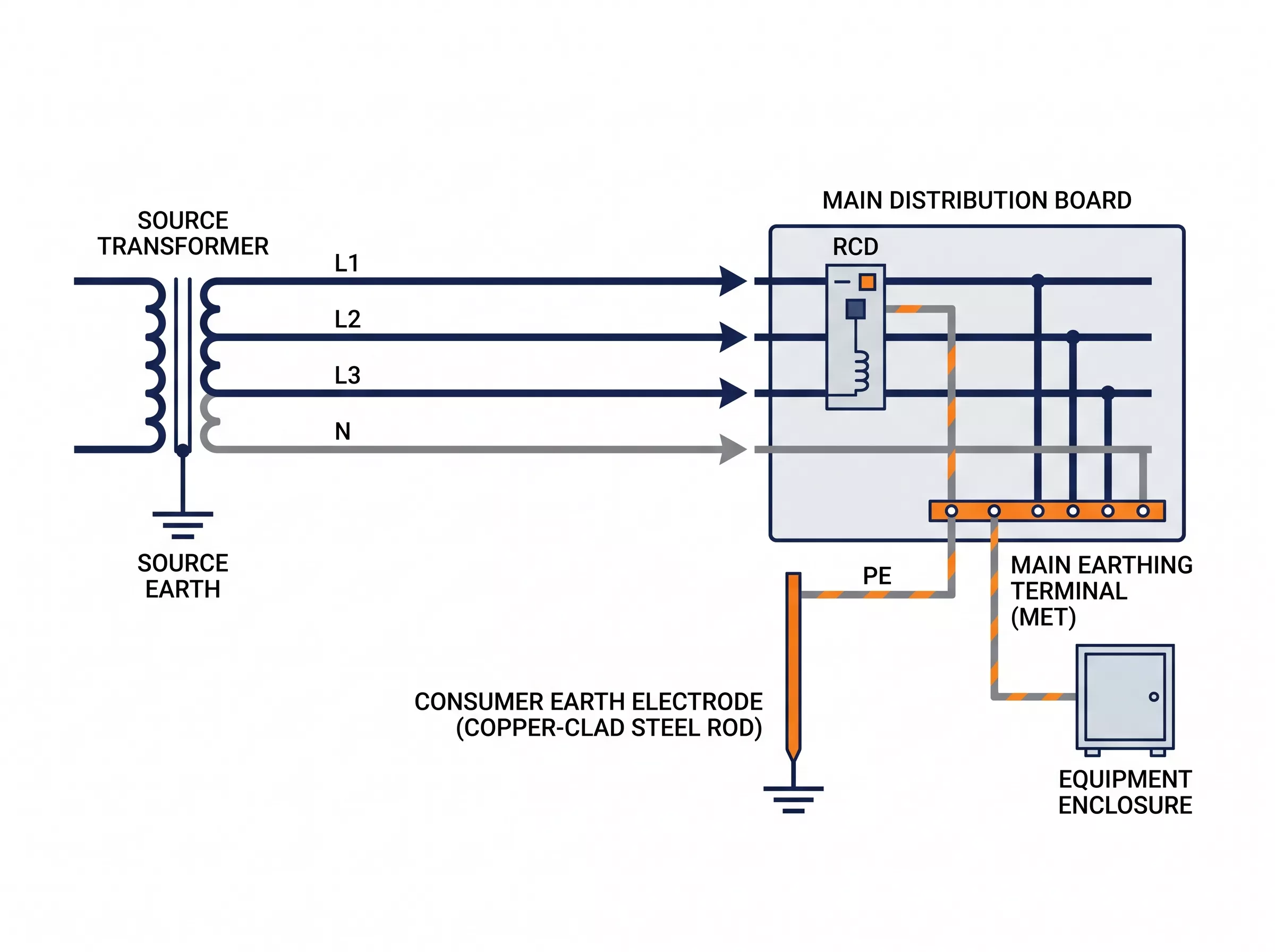
Learn what a TT earthing system is, how it differs from TN-S, its advantages and disadvantages, and how to configure your SPD correctly for TT installations.
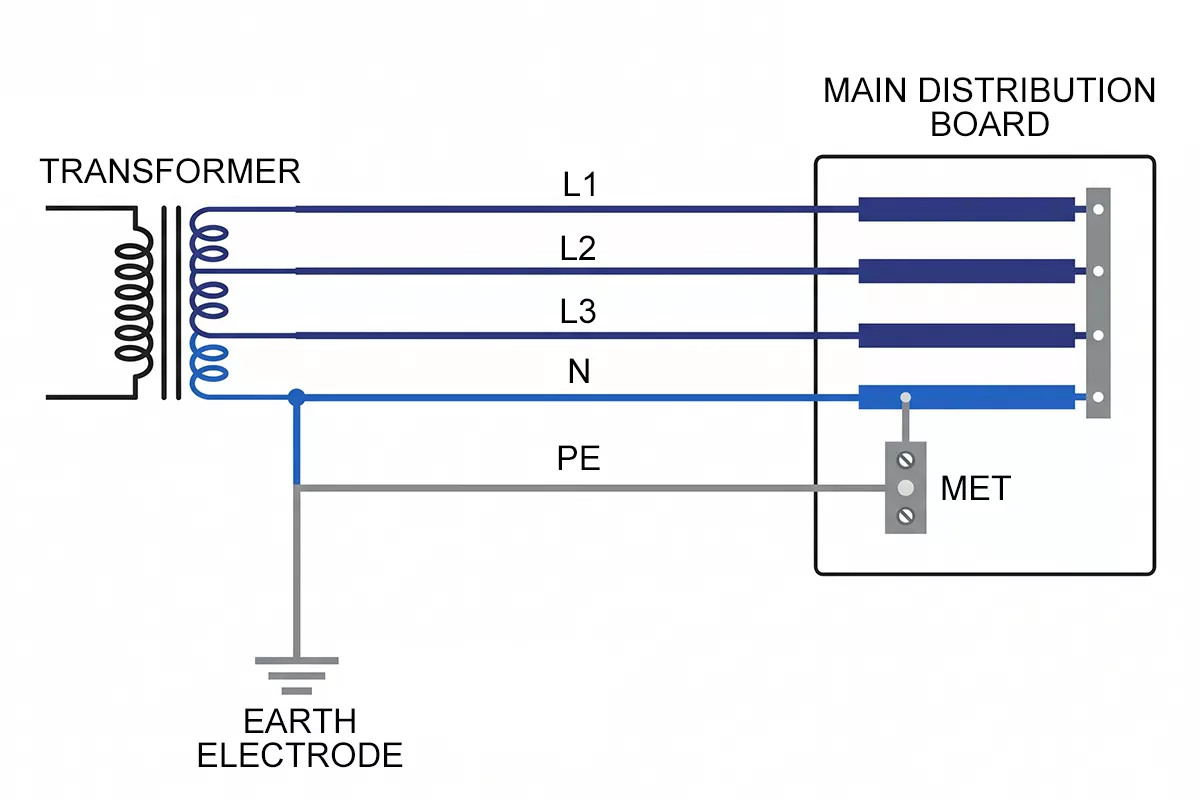
Learn what a TN-S earthing system is, how it differs from TN-C-S and TT, and how to configure your SPD correctly for TN-S installations.
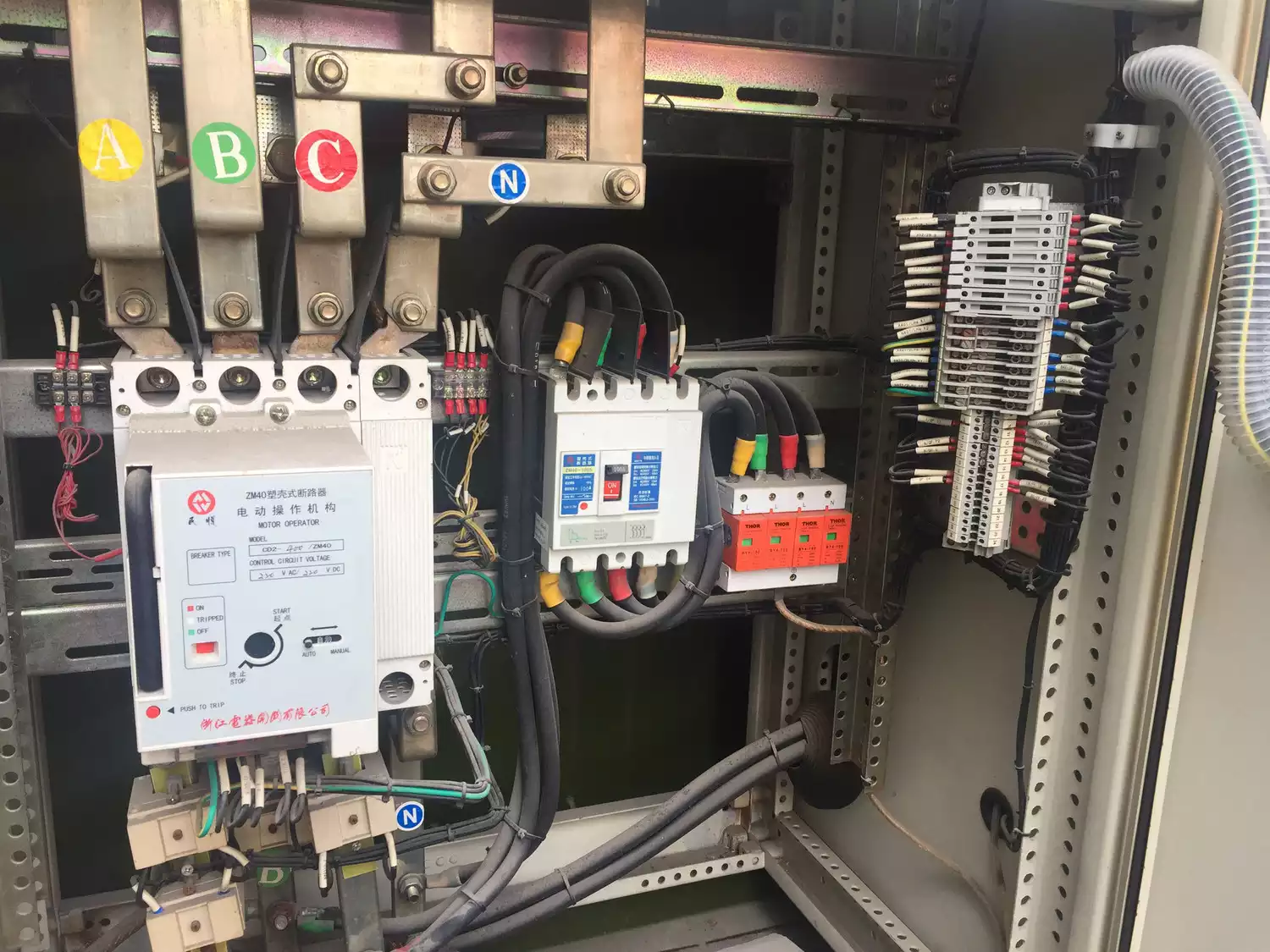
SPD wiring diagrams for single-phase, 3-phase and solar systems, covering connection methods for TN-S, TT and IT earthing systems and IEC 61643-11 requirements.
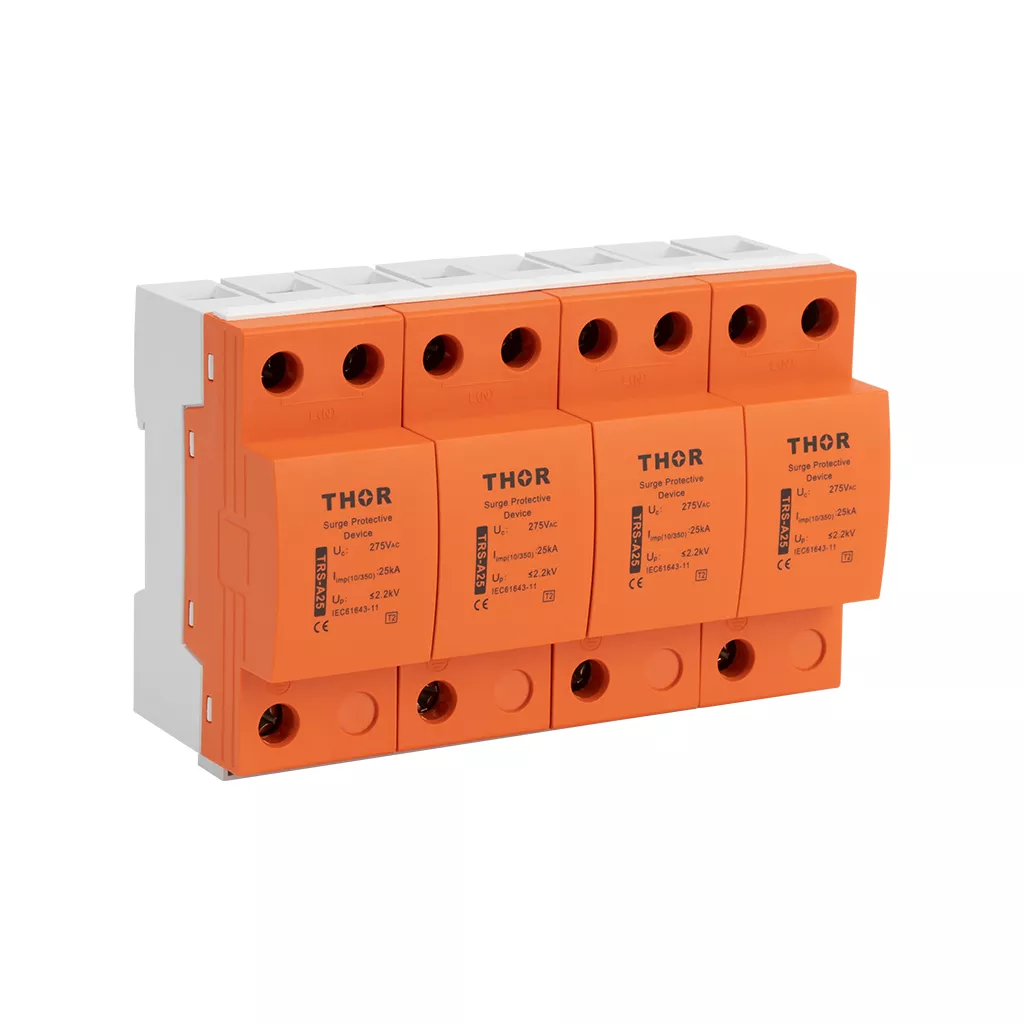
SPD stands for Surge Protective Device. Learn how it protects electrical systems, the 3 IEC-defined types, and key selection parameters.
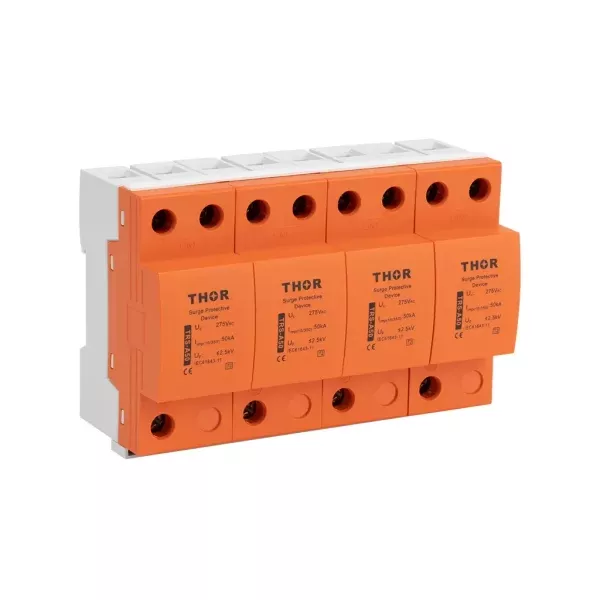
Type 1, Type 2, and Type 3 SPDs differ by location and surge waveform. Learn which type your project needs and when a Type 1+2 is the right choice.
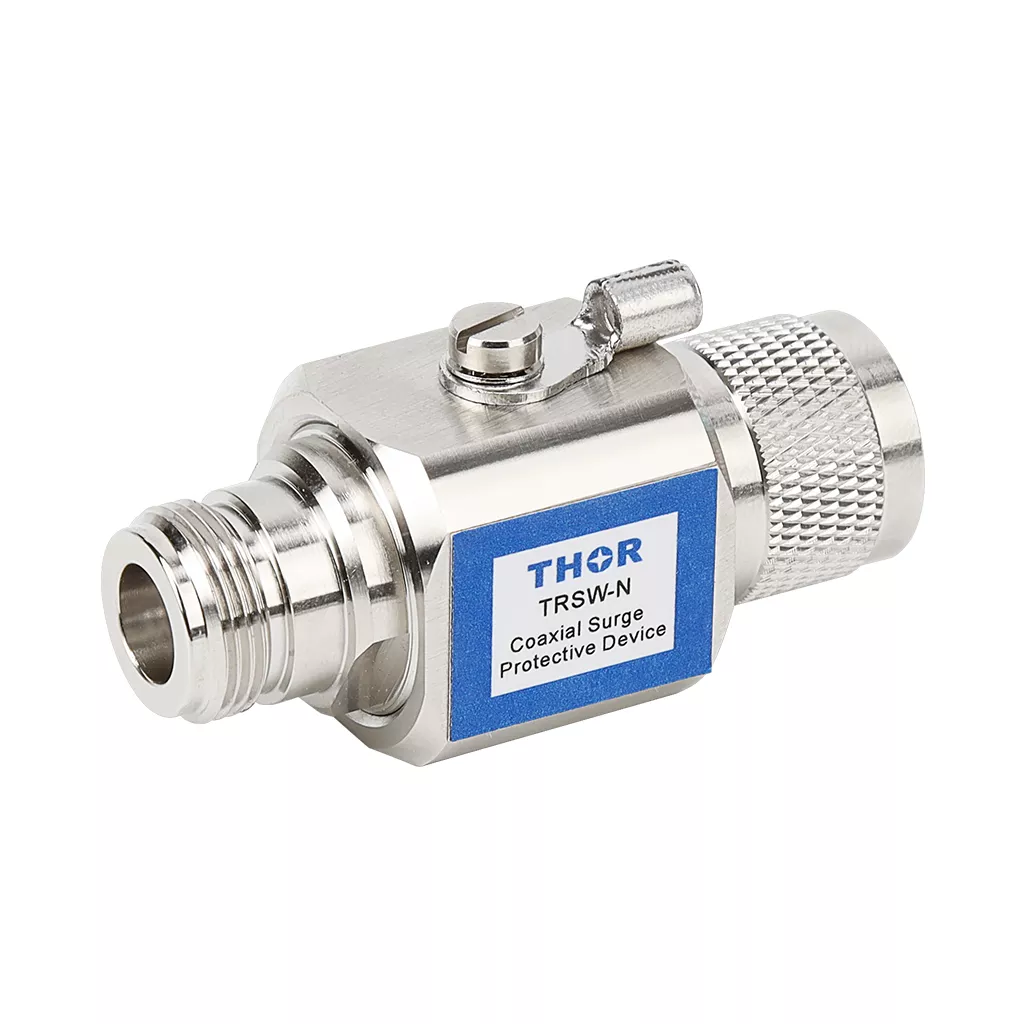
Learn what a gas discharge tube is, how it works, and how GDTs are used in SPDs. Covers 2-electrode vs 3-electrode types and GDT vs MOV comparison.
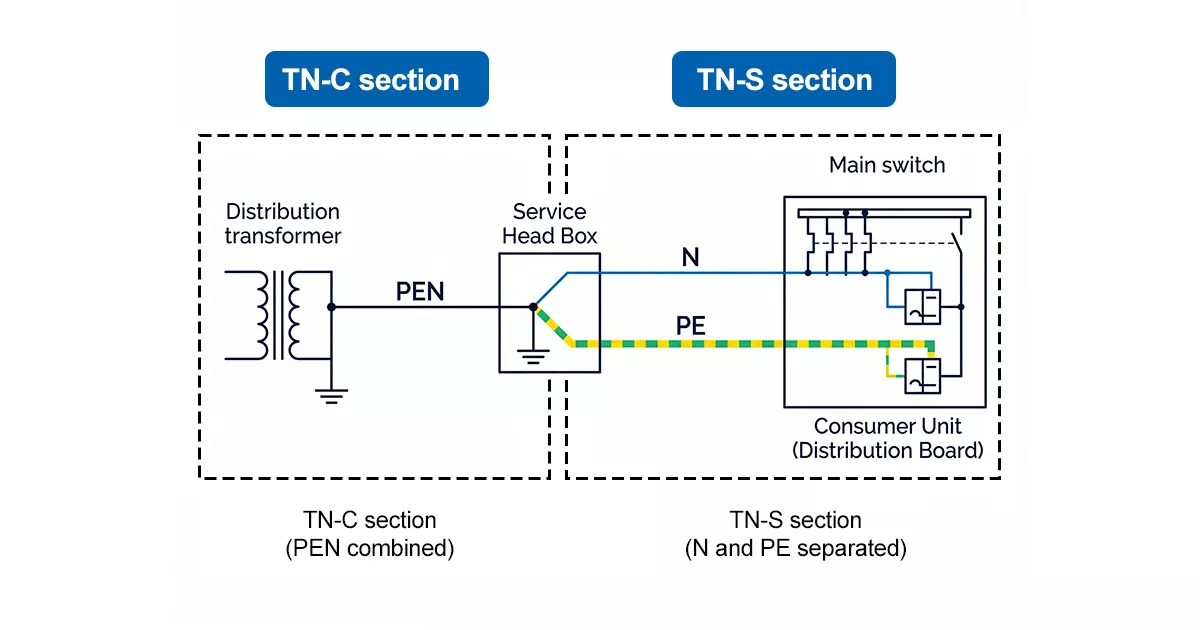
Learn what the TN-C-S earthing system is, how it differs from TN-S and TT, and how to configure your SPD correctly for PME installations.
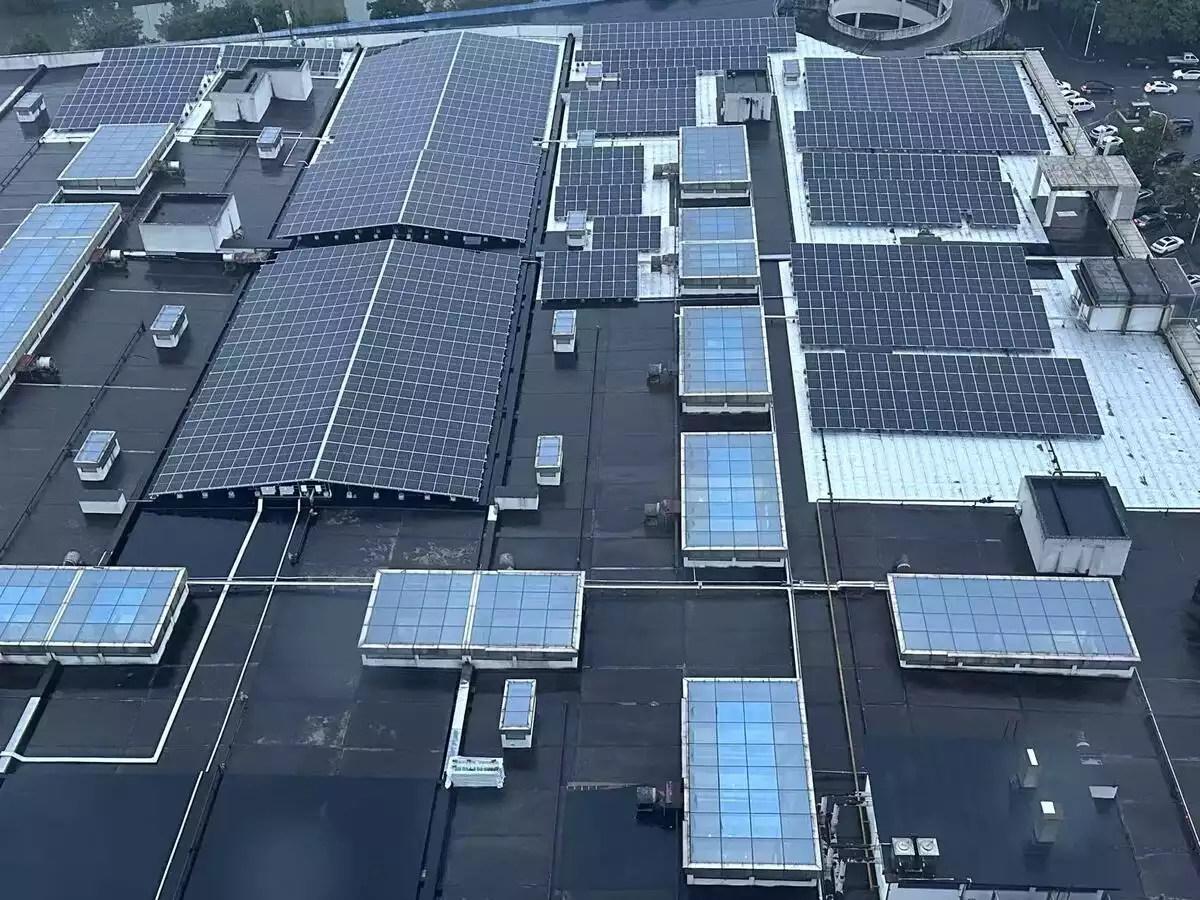
Learn how to select the right surge protection device for solar panel systems — AC/DC placement, Type 1 vs Type 2, key IEC parameters explained.
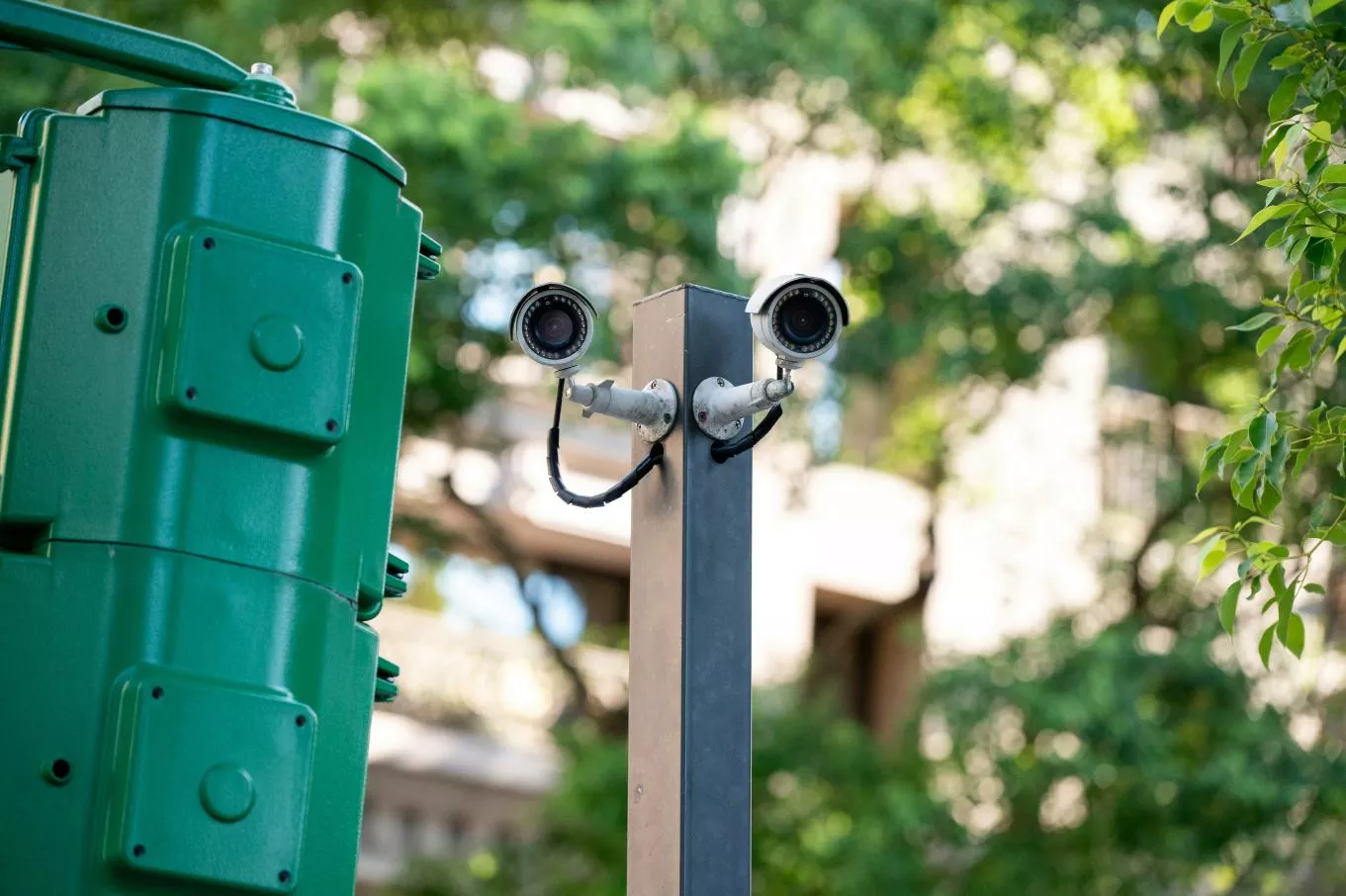
Protect your outdoor Ethernet from lightning strikes. Discover why an IP68-rated RJ45 Surge Protection Device is essential for Gigabit and PoE networks.

Explore how metal oxide varistors (MOVs) serve as the core of surge protection devices (SPDs), their working principles, applications in power and telecom, and why using certified MOVs is critical for long-term safety and reliability.